Expert Guide to Building the Perfect Indoor Winter Fire
Imagine a room full of warmth and comfort - soft blankets, hot cocoa, snow dancing outside the window…and an inviting fire crackling in your fireplace. To get you set up for this cozy winter escape, here’s all you need to know about creating the perfect fire!
Key Takeaways
- Choosing the right fireplace for your home and get it ready for winter by inspecting, cleaning, and removing ash & debris.
- Selecting & storing firewood correctly to ensure a warm fire all season long with proper seasoning & drying techniques.
- Building the perfect indoor fire safely using tinder/kindling selection, log arrangement tips, lighting methods, and safety precautions like ventilation systems + screens/grates + extinguishers/smoke detectors.
Choosing the Right Fireplace for Your Home
Preparing Your Fireplace for Winter
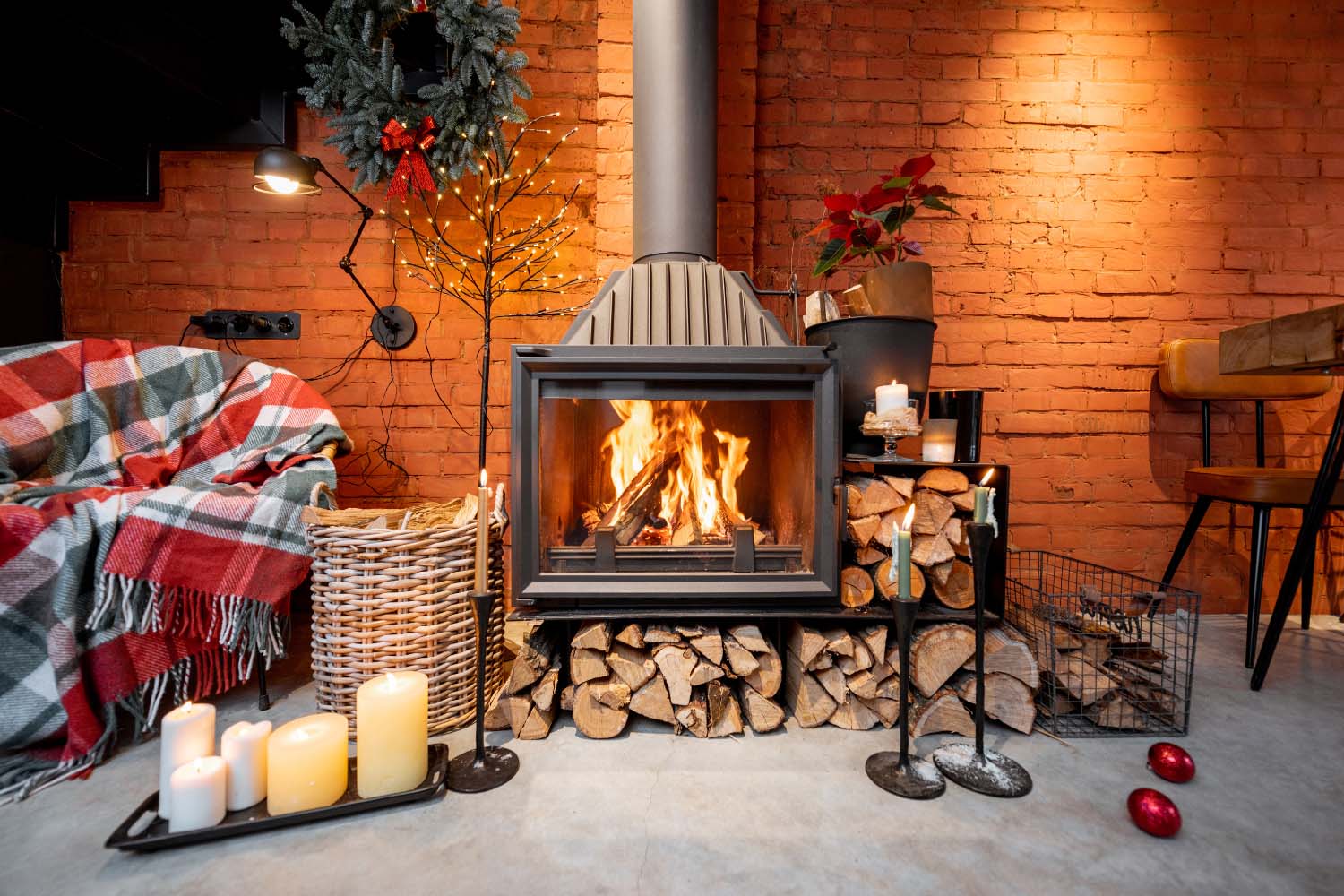
To keep your fireplace in good working order and avoid any fire-related dangers, it’s important that you prepare for the winter season. This should include a thorough inspection of your chimney, clearing out all ash or debris, plus looking into potential damages. These steps will guarantee clean burning fires during those cold months ahead!
All these measures are key components to making sure your place stays safe while providing you with cozy heat through winter nights.
Chimney Inspection and Cleaning
Removing Ash and Debris
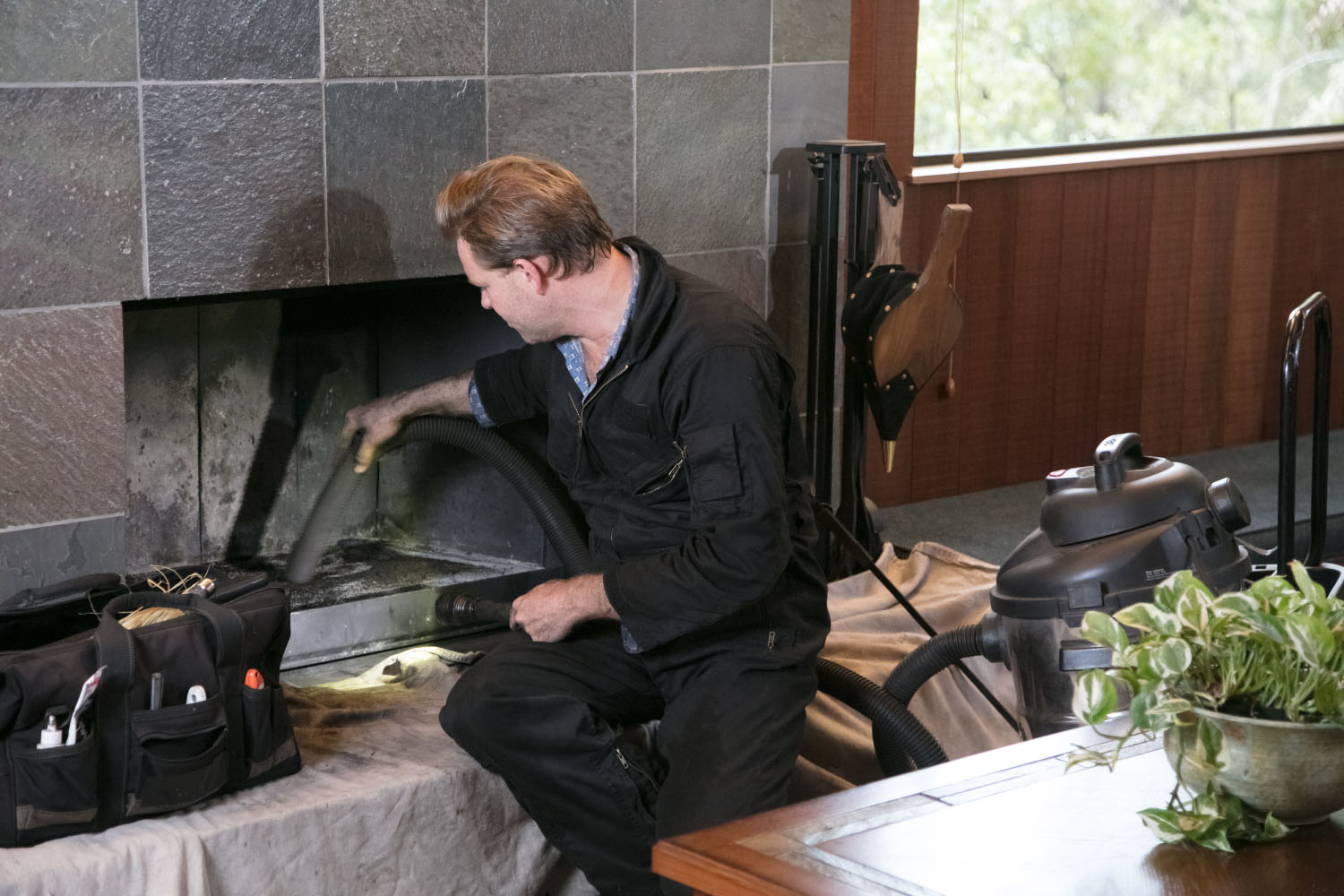
Cleaning the hearth is key to maintain proper air quality and avoid any respiratory issues. One should begin by wetting the bricks with water, followed by scrubbing the bricks with a combination of white vinegar and water. For stubborn stains - scrubbing with soapy solution and then rinsing off afterwards can be used.
As for ashes, one must remove them from the firebox using either a shovel or spade, and then use a vacuum cleaner to get rid of any remaining dust remains.
Checking for Damages
Selecting and Storing Firewood

For a warm and efficient fire to ignite, it is important to know about the different types of wood for burning, as well as how to dry them properly. Understanding all these aspects can make your winter evenings extra cozy when you are using a wood stove—all beginning with birch bark used as an natural flame starter. Before anything else happens though, be sure that your fireplace is prepped up.
Types of Firewood
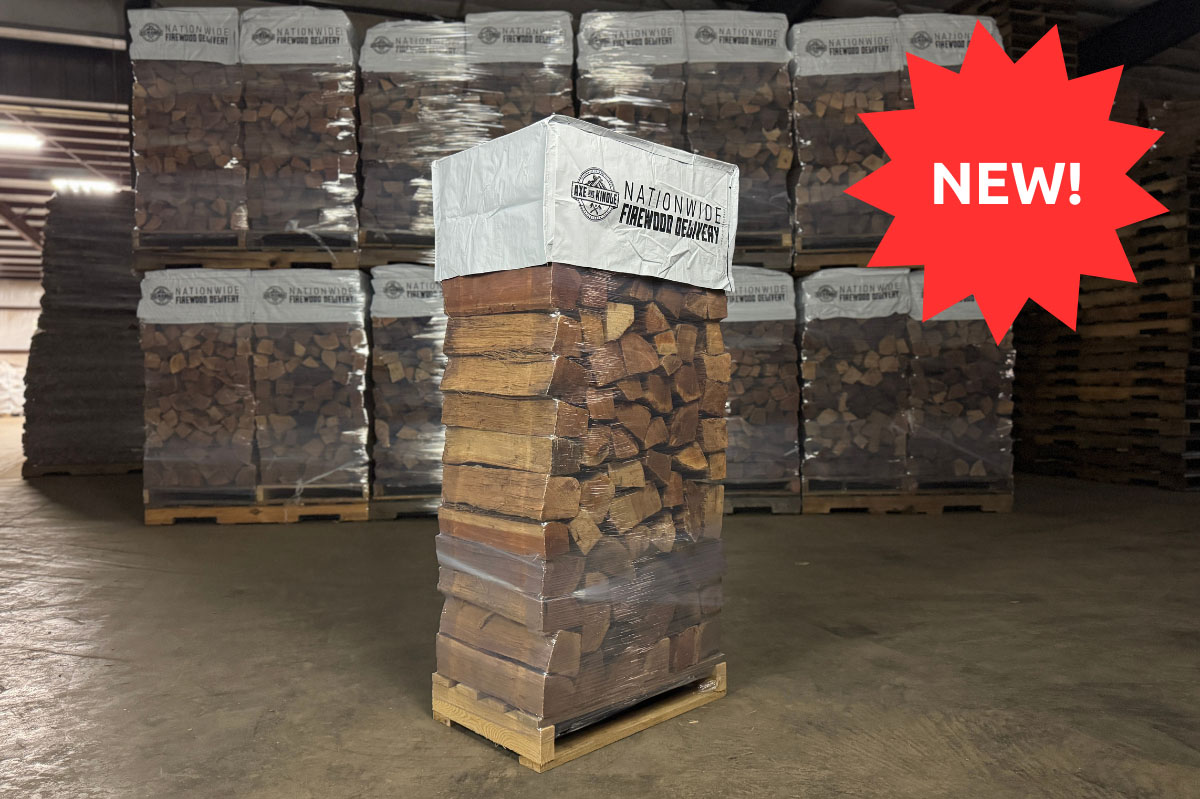
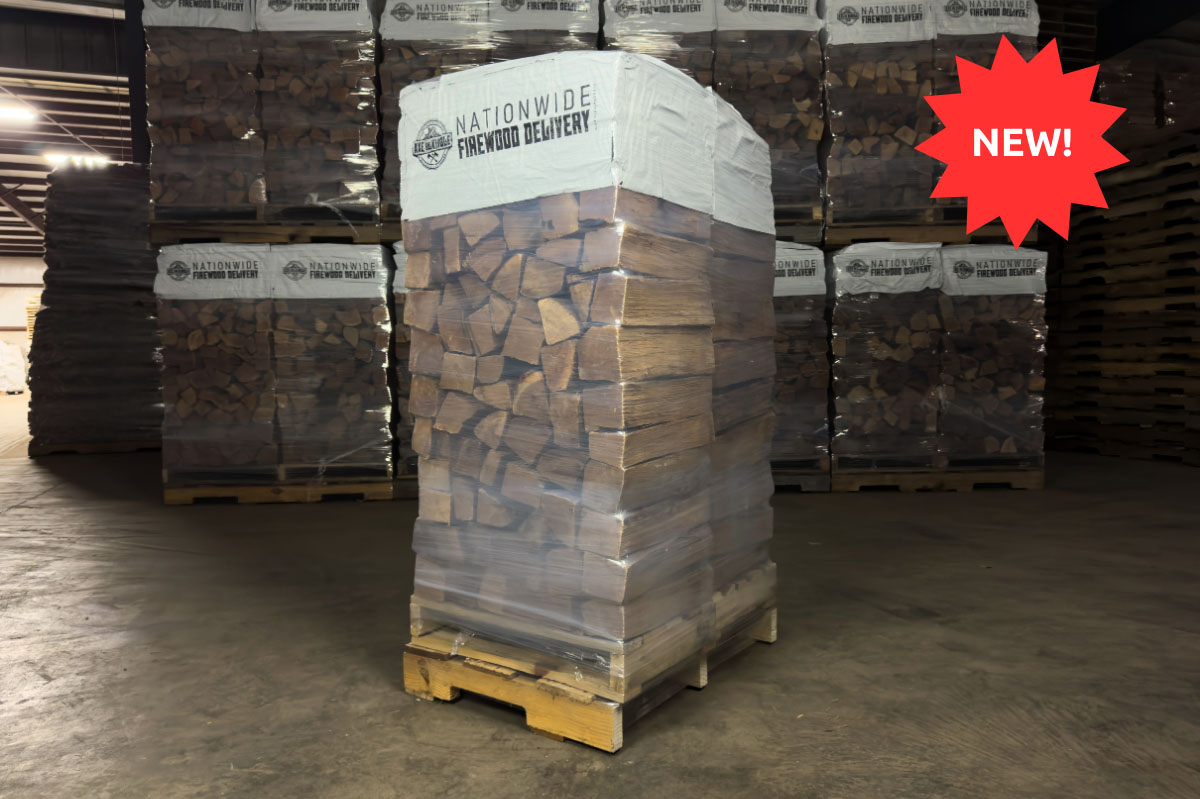
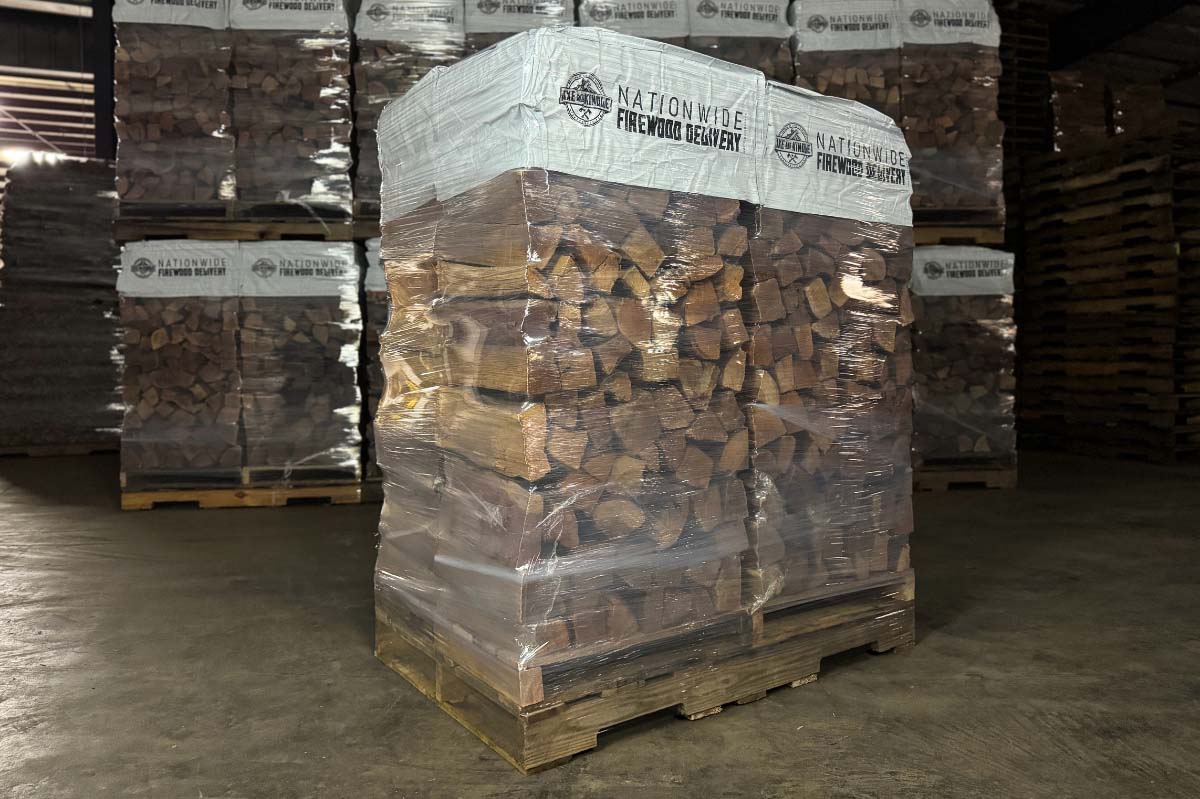
When it comes to achieving a long-lasting, cozy fire and warm fireplace, your choice of firewood can make all the difference. Kiln-dried firewood, particularly Hickory, Oak, and Mixed Hardwoods, are excellent choices for your fireplace.
Hickory is renowned for its high energy content. It burns hot and long, making it a top choice for those chilly winter nights. Its distinctive, pleasant aroma also adds to the overall ambiance of a warm, inviting home.
Oak, on the other hand, is known for its slow-burning qualities. It's a dense hardwood that provides a steady, long-lasting heat. This makes it ideal for those long winter nights when you want the fire to keep going for hours on end.
Mixed Hardwoods, such as a combination of Oak, Hickory, and other hardwoods like Maple and Birch, can offer the best of both worlds. They provide a balanced burn, with the denser woods burning slowly for sustained heat, and the less dense woods burning quicker to provide immediate warmth.
Kiln-dried firewood is a great choice as it has been dried in a controlled environment, reducing its moisture content and making it easier to ignite. It also burns cleaner and hotter than green or unseasoned wood, resulting in a more efficient fire and less smoke and creosote buildup in your chimney.
So, whether you're looking for the intense heat of Hickory, the sustained burn of Oak, or the balanced warmth of Mixed Hardwoods, remember that Kiln-Dried is the way to go for a safe, efficient, and cozy fire.
Benefits of Kiln-Dried Firewood Over Seasoned Wood
Storage Techniques
Building the Perfect Indoor Fire
Upside-Down Fire Method
Tinder and Kindling Selection
Having the correct burning tinder and kindling is important in order to get a fire burning quickly and easily. Tinder is an easily combustible material that's primary purpose is to ignite kindling. Some examples are dryer lint, pine cones, or wood shavings from pines. Kindling wood is small pieces of dry, easily combustible material that is used to start a fire. It's typically made up of small sticks, kiln dried below 10%. Kindling wood needs to be very dry and easy to ignite, as it's used to get the fire going and keep it burning until larger pieces of wood can be added.
Arranging Logs for Optimal Airflow
The arrangement of logs in a fireplace is crucial for ensuring proper air circulation, decreasing smoke buildup, and producing an effective burn. Keeping larger logs close together when stacking them up will help the fire to not only last longer but also require less fuel. To guarantee good air quality and successful burning, one must make sure that enough space between each log has been left so oxygen can pass through easily, thus guaranteeing efficient combustion.
Lighting and Maintaining Your Fire
Lighting Techniques
Maintaining a Steady Burn
Safely Adding More Wood
Fireplace Safety Precautions
Proper Ventilation
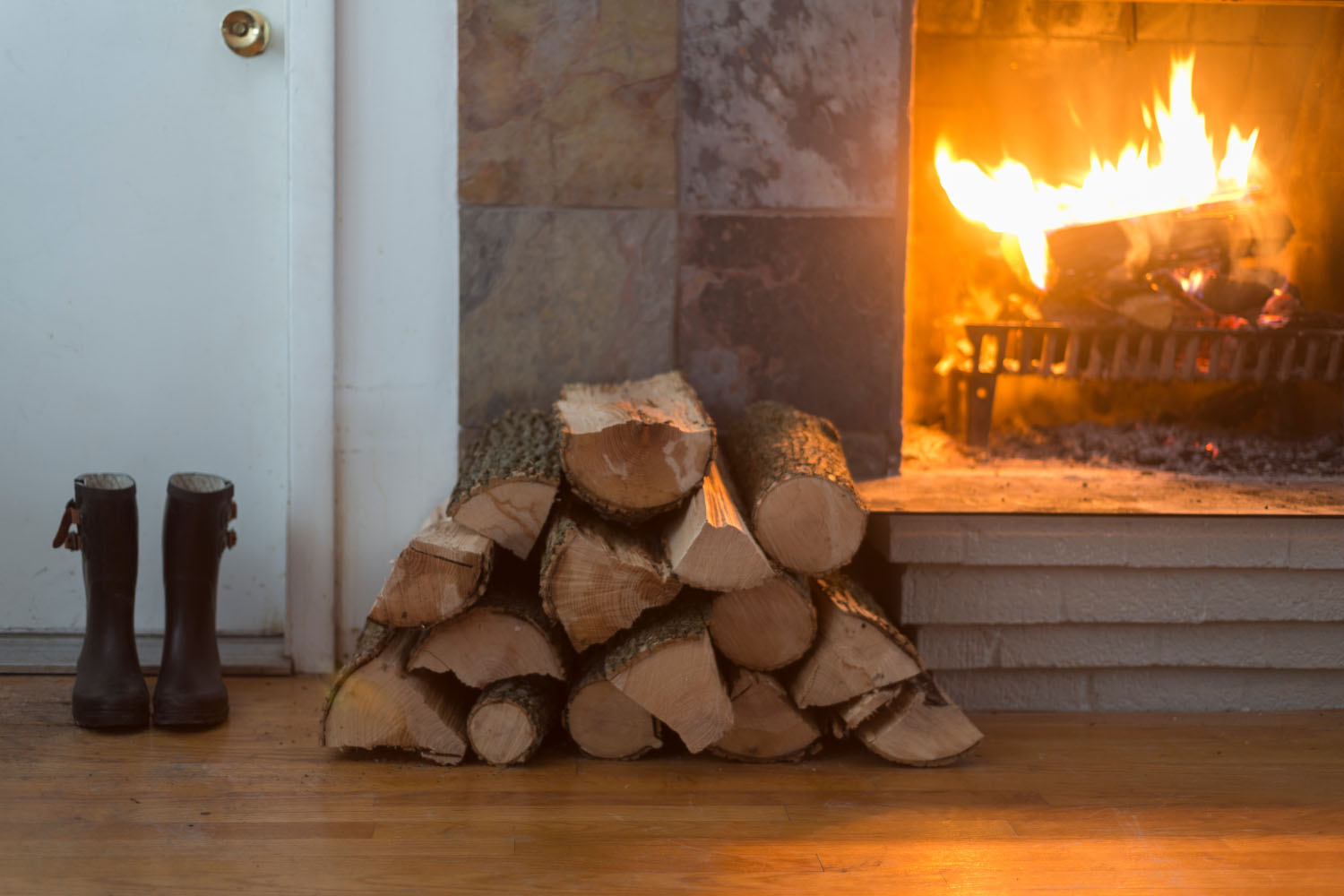
Your fireplace needs proper ventilation to ensure smoke does not become trapped and compromise air quality. Optimal airflow prevents dangerous gases from forming during burning, so make sure your fireplace opening at home is sealed properly with weatherstripping before you open a window for additional air circulation. Remember, when lighting the fire, always start by opening the damper fully and keep it that way until the embers are completely extinguished.
Use of Screens and Grates
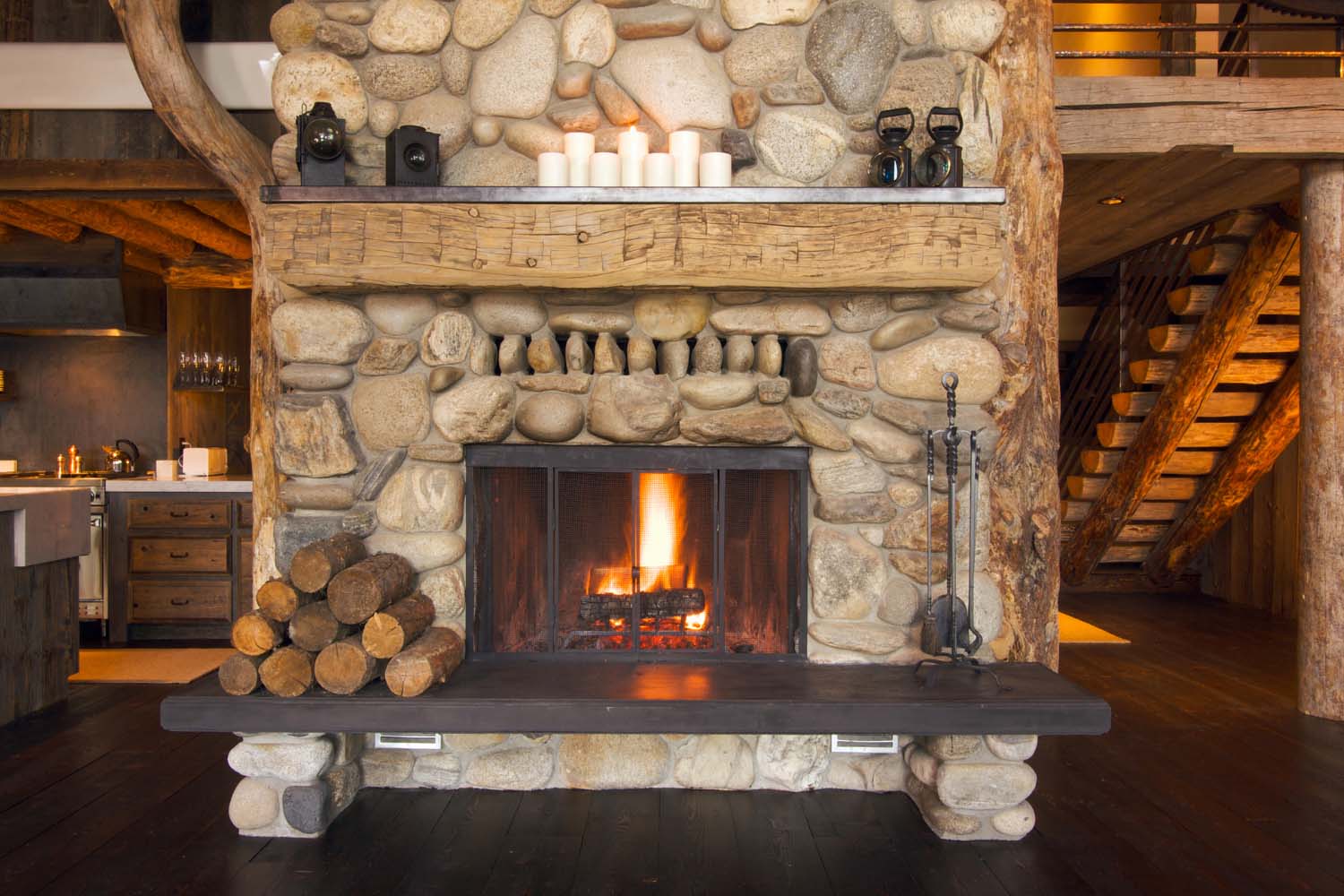
Using screens and grates is an effective way to protect your home from potential damage caused by flying sparks, or embers. Both fireplace screens, usually made of mesh or metal, and wood-burning firewood grates can be beneficial in providing additional safety against accidents resulting from burning wood. Grates also allow for more air circulation around the flames, which helps keep the material inside the confines of your fireplace. Screens and grates are highly recommended as they reduce any chance of starting fires due to airborne burning materials escaping into a combustible environment outside their designated area.
Fire Extinguishers and Smoke Detectors
Ensuring both safety and a quick reaction to any emergent situation is essential. Installing fire extinguishers in your house, as well as keeping one nearby, can help immensely if an emergency occurs. Smoke detectors should be placed on every floor of the home, especially in sleeping areas where they are most needed. Regularly testing them will keep them effective over time. Replacing fire extinguishers around once every 10-12 years also helps maintain their usefulness.
Summary
Frequently Asked Questions
How do you build an indoor fire?
Create a secure fireplace and chimney for an indoor fire, gathering the required combustibles. Arrange logs on top of kindling and tinder using the upside-down technique, then ignite the kindling material. Monitor if there is any smoke exiting from these areas while maintaining flames in your blaze.
What is the leading cause of house fires in winter?
The winter season is especially dangerous, with half of all house fire fatalities occurring during December, January, and February. Heating equipment in particular accounts for one out of every five home fires over this period and is considered the leading cause among them.
How do I keep smoke from my fireplace out of my house?
For decreasing smoke in your home, ensure you use only dry wood to build a fire, which should be constructed using the upside down method. Open the damper as well as any nearby windows for added ventilation.
How often should I clean my chimney?
It's highly recommended to have your chimney cleaned at least once every year. This annual maintenance is crucial to ensure your chimney is in optimal shape and functioning correctly. A thorough cleaning will help eliminate any build-up of soot and creosote, which are highly flammable, and can lead to chimney fires if not addressed. Additionally, regular cleaning can help identify any potential structural issues or blockages, which can impede the efficiency of your fireplace and even lead to dangerous situations. Therefore, an annual chimney cleaning is not just about maintaining the efficiency of your fireplace, but also about ensuring the safety of your home.
Need Firewood For Your Fireplace?
Elevate your winter nights with our premium kiln-dried firewood. Our firewood is meticulously kiln-dried for the ultimate burning experience and is perfect for creating a delightful ambiance in your home. Imagine the crackling sounds and the comforting glow of a well-lit fireplace on chilly nights.