Flame & Flavor: Best Types of Food to Cook on Different Types of Firewood
Discover the secrets to elevating your grilling and smoking experiences by expertly pairing the best types of food to cook on different types of firewood. Whether seeking the perfect match for succulent red meats, delicate seafood, or aromatic vegetables, this guide unravels how the right firewood can complement your dish’s flavor profile, engaging all your senses.
Key Takeaways
- High-quality, kiln-dried hardwoods like oak, hickory, cherry, apple, and sugar maple are preferred for cooking due to their clean, even burns and flavorful smoke, while softwoods and green wood should be avoided due to acrid smoke.
Choosing the Right Wood for Your Dish
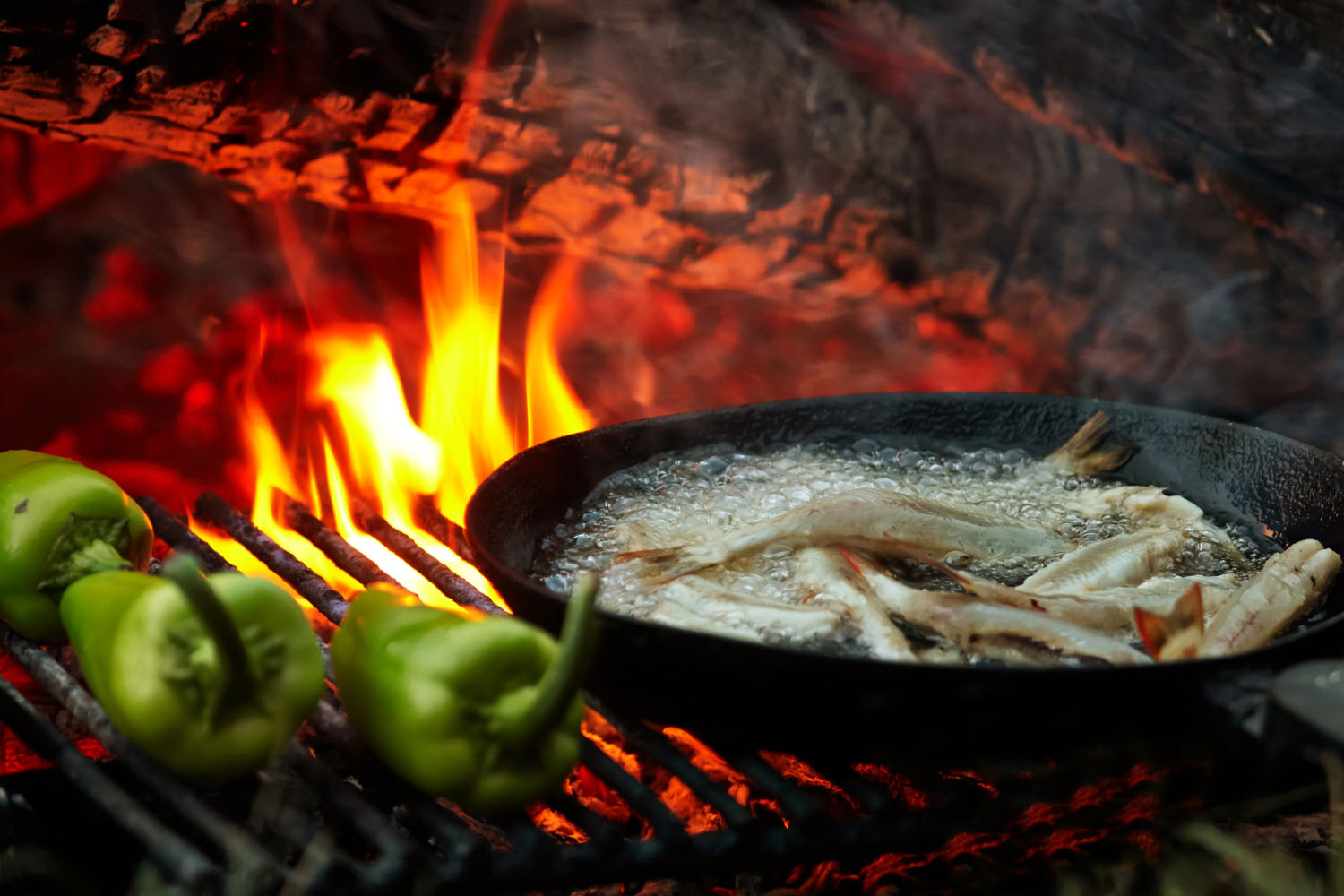
In order to cook your dish perfectly, it is crucial that you select the right kind of wood. Opting for kiln-dried hardwoods such as oak, hickory and cherry are some of the best choices since they have low moisture content, which can provide a clean burn with an even flavor profile while grilling or smoking food. Softwoods like pine and cedar on the other hand, will result in acrid smoke giving dishes an unpleasant taste. Thus, avoid them when cooking. Applewood and sugar maple are also good options when selecting woods suitable for preparing meals! To get optimal results, opt for quality wood which has been properly kiln-dried.
Red Meat and Bold Woods
Woods such as mesquite and hickory are excellent choices for preparing red meat. Their bold flavors and high heat make them particularly suitable, with the former providing an earthy note while the latter giving off a smoky aroma reminiscent of bacon. It is vital to maintain equilibrium when utilizing these types of wood, since they can produce an overwhelming level of smoke, which could overpower its taste if not done properly (with indirect heating) or mixed with something more subtle like oak.
Poultry and Fruity Woods
When it comes to cooking poultry, cherry and apple woods shine in the spotlight. Apple wood, known for infusing a smoky flavor and a subtle sweetness that enhances the natural taste of chicken, proves ideal for smoking. On the other hand, when preparing turkey, opting for kiln-dried cherry wood introduces just the right balance of fruitiness and smokiness, imparting an appealing color to your dish. Utilizing these firewood varieties ensures your dishes boast bolder flavors and a visually enticing appeal.
Seafood and Subtle Woods
When selecting the perfect wood for grilling seafood, particularly given its delicate flavors, it's essential to explore subtle options like maple and alder. These woods impart a nuanced smoke flavor that enhances the natural taste of fish without overwhelming it with excessive smoke. For example, sugar maple introduces an almost-sweet taste, hinting at syrup notes that delicately enhance white fish such as salmon or any other milder seafood. If you're planning to barbecue some fresh catch soon, consider using lightwoods like Maple or Alder. Their distinct yet gentle aromas are tailored to bring out the best qualities of your seafood, ensuring a delightful and nuanced culinary experience.
Cooking Techniques and Wood Pairings
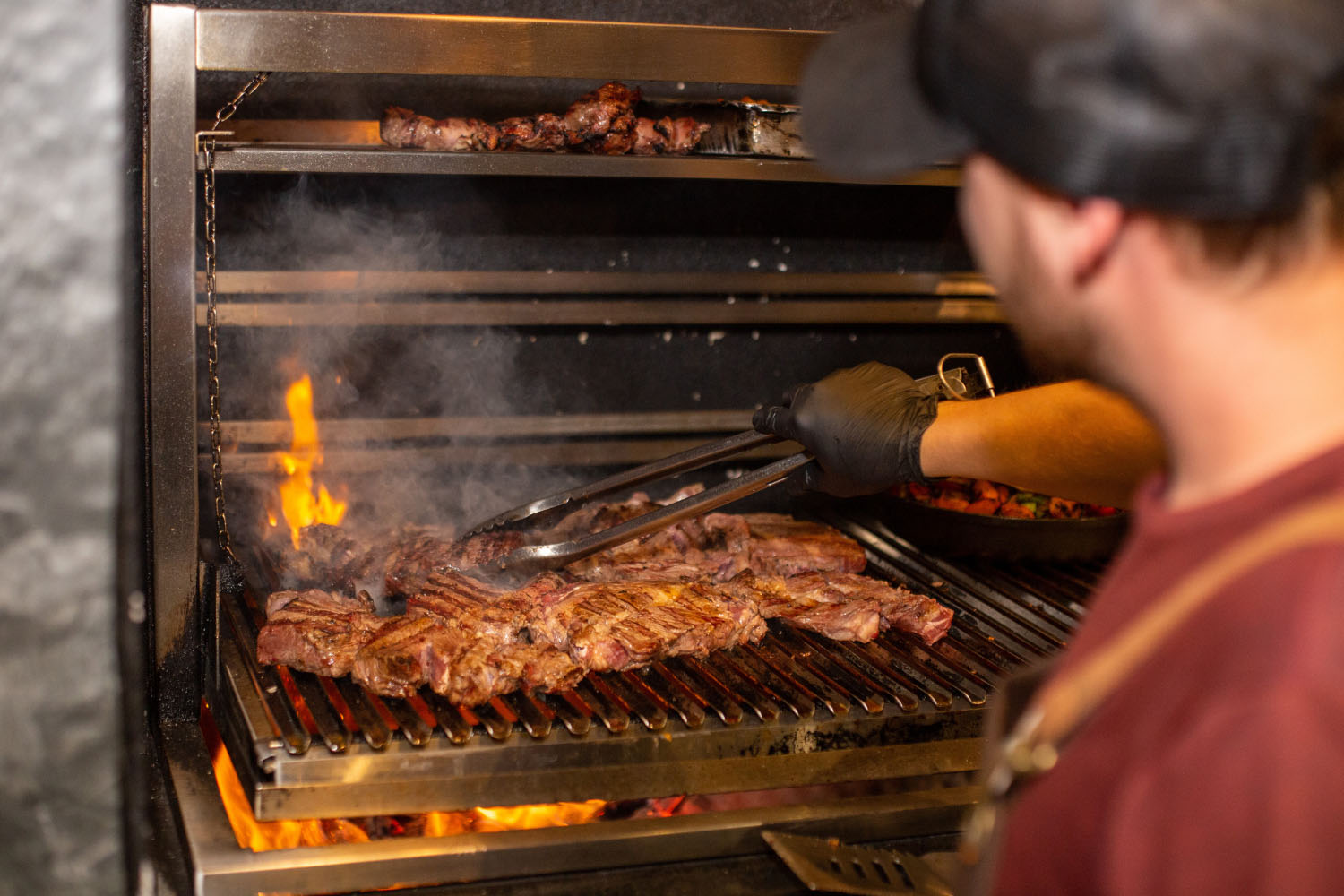
As previously discussed, the key to achieving desired results in meal preparation lies in selecting the most suitable wood for each cooking method. Grilling involves direct cooking of smaller cuts above a heat source, while barbecuing calls for larger pieces like pork shoulders and ribs to be cooked adjacent to it. In both scenarios, the choice of the right type and size of wood becomes pivotal and can ultimately make or break your meal.
When it comes to smoking food, careful consideration is necessary in selecting wood types, such as fruitwood or oak. These woods impart slightly different flavors depending on their application in grilling, barbecuing, or wood roasting over an open flame. Regardless of your choice, ensuring that you have all these elements figured out guarantees success every time in your culinary endeavors.
Grilling

Grilling, a cooking technique that relies on high temperatures and swiftness, delivers flavorful food through direct exposure to burning woods like oak or hickory. The smoky essence in the cooked meat arises from this direct grilling, as oak or hickory's consistent heat allows for searing without excessive drying of the interior. For dishes such as flank steak or game meats, mesquite wood adds an extra layer of robust flavor, while versatile oak complements both poultry and beef meals. Beyond the wood selection for grilling, achieving optimal results in this method demands precise temperature control and regular turning of the food to prevent accidental charring during the cooking process. Employing a thermometer ensures that your dinner emerges not only well-cooked but also thoroughly delicious.
Smoking
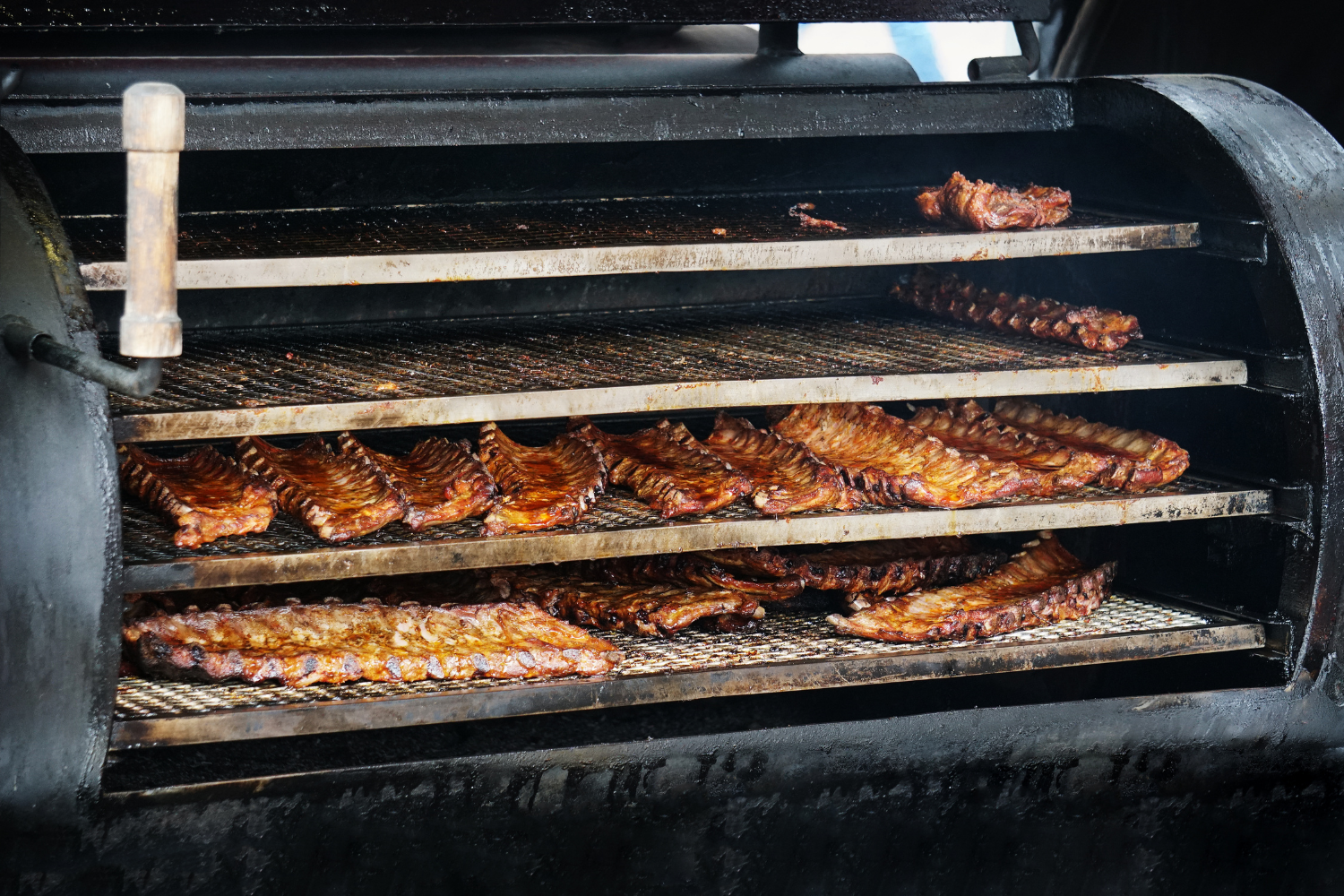
The art of smoking food requires finesse and meticulous oversight of the process to achieve a robust smoky flavor. Using woods like apple or hickory is essential, as both are renowned for imparting exceptional flavor when employed in this technique. For smoking meats, particularly ribs, kiln-dried hickory stands out for its delectable taste. However, achieving superior results involves more than wood selection. Regularly monitoring the temperature and replenishing the wood supply are crucial steps to ensure a consistent and aromatic production of smoke throughout the entire cooking process.
Wood-Fired Oven Cooking
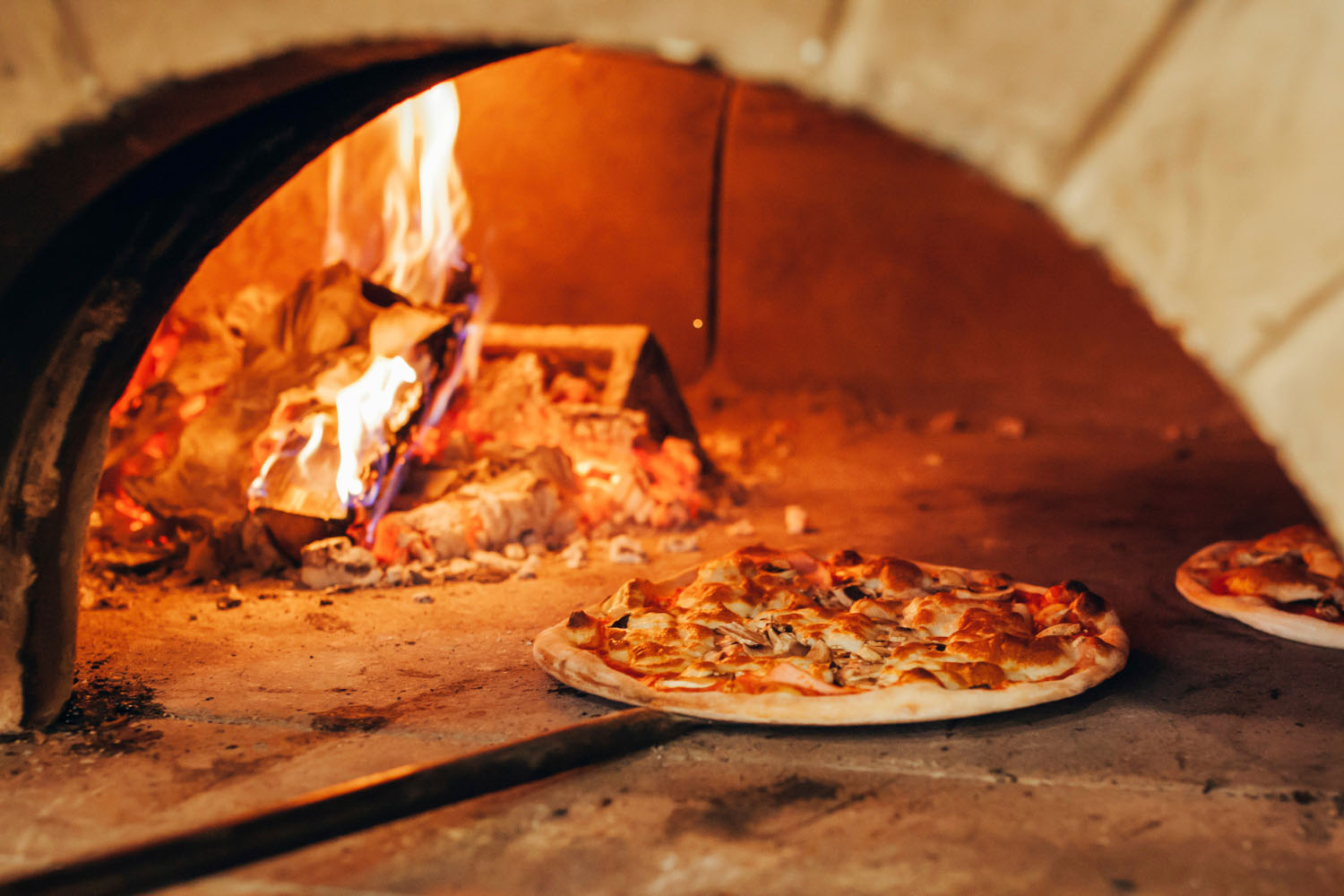
Wood-fired ovens offer a controlled environment for grilling and smoking, ensuring consistent and high heat. Ideal woods for these ovens include maple, hickory, oak, and apple wood. Apple wood, in particular, is excellent for reaching temperatures up to 700 degrees Fahrenheit, resulting in pizzas with a crisp crust and an additional layer of smoky flavor. Similarly, using cherry wood in this manner enhances the sweetness of pizza flavors. For those seeking a more relaxed grilling experience with similar techniques, some opt for outdoor fire pits. These pits, when fueled with selected kindling such as maple, hickory, oak, or apple wood, provide an alternative setting for enjoying the rich flavors produced by these woods.
Tips for Combining Woods
Creating a blend of woods is an excellent strategy for introducing a diverse range of flavors when smoking food. The resulting smoky nuances and fragrances depend entirely on the types of wood you choose to combine. For instance, the fusion of hickory, known for its intense smoke flavor, with cherry, appreciated for its sweetness, produces an intriguing profile.
Some popular wood combinations include mesquite paired with oak, pecan combined with maple, or apple harmonized with hickory. It's essentially about experimenting until you discover your desired taste sensation! Each type of firewood possesses unique characteristics that influence the final result. Therefore, be fearless as you explore new blends and their myriad potentials.
For a robust and slightly sugary undertone, consider adding cherry to your hickory batch, while lighter smoked meals may be best complemented by a half-and-half combination of both. Don't hesitate to give this combo a shot! There isn't one "perfect ratio" for mixing firewoods since everyone has different preferences when it comes to satisfying their taste buds. This is why experimentation plays a crucial role, as no two individuals enjoy exactly the same smoky flavors due to preference distinctions alone. Happy smoking, everybody!
Avoiding Unpleasant Flavors: Woods to Steer Clear Of
In the realm of cooking, it's crucial to steer clear of certain types of wood to avoid the release of unpleasant-tasting smoke and sparks. Woods such as Pine, Cedar, Redwood, Larch Douglas Fir, and Poplar pose a risk due to their high resin content, which can compromise the safety of food cooked on them. Additionally, treated or stained woods may contain toxic chemicals when burned. Therefore, the safest option is to opt for hardwoods derived from fruit- or nut-bearing trees. To guarantee a safe and flavorful meal, restrict your culinary adventures to the use of these specific types of wood.
Sourcing and Storing Firewood
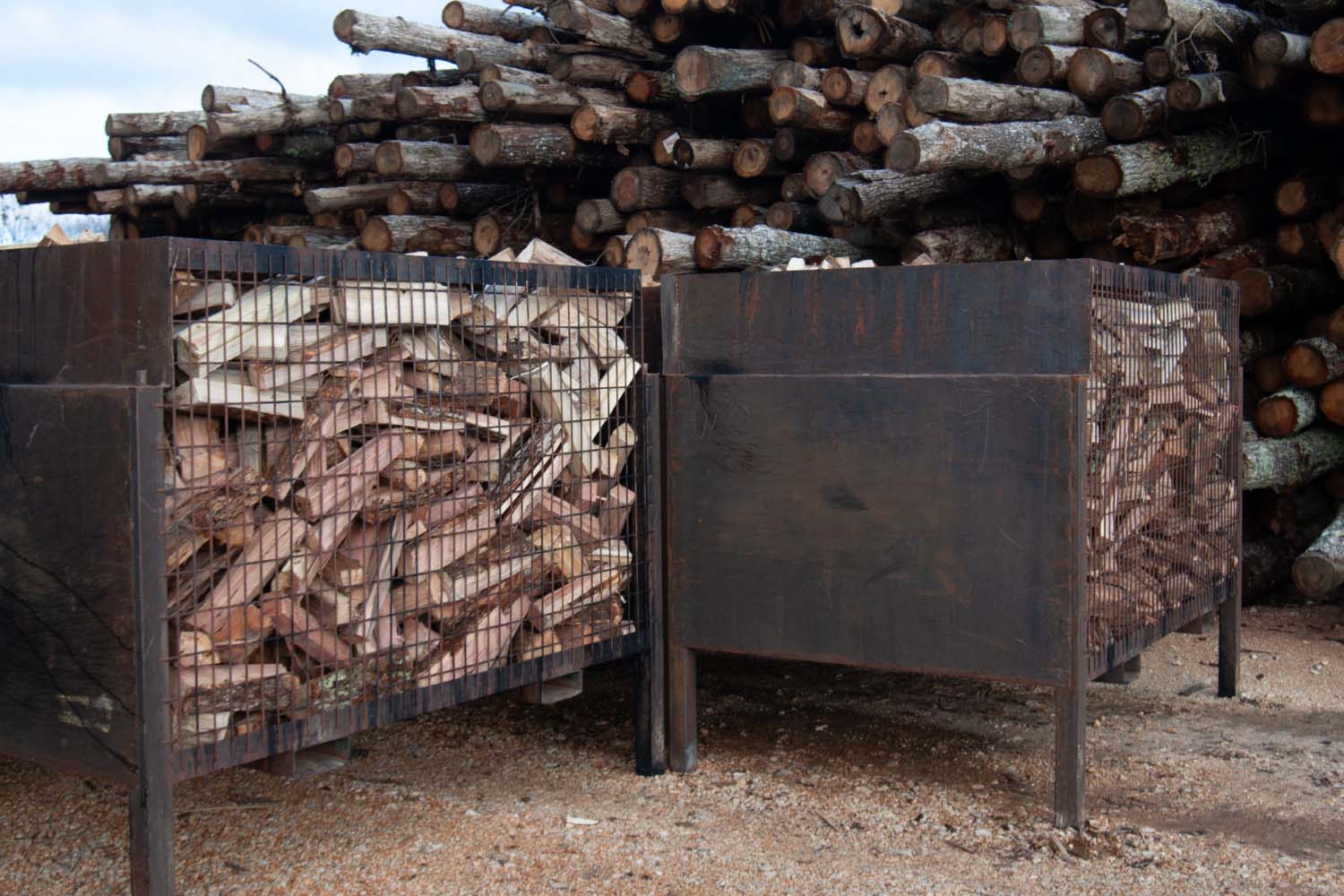
In the realm of campfire cooking, the choice of wood is only half the challenge. Properly storing and sourcing firewood for outdoor cooking is equally critical for achieving maximum flavor and quality. You can acquire pre-cut pieces, or opt for a more economical approach by collecting fallen branches.
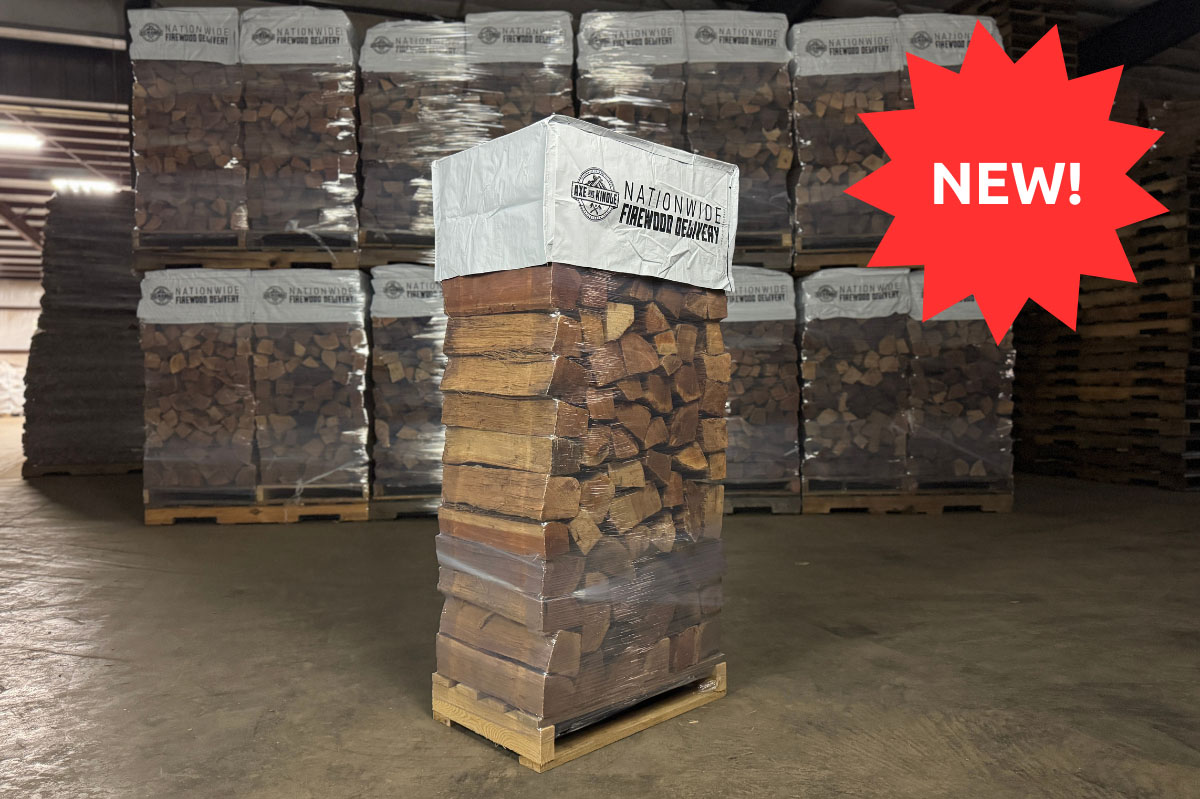
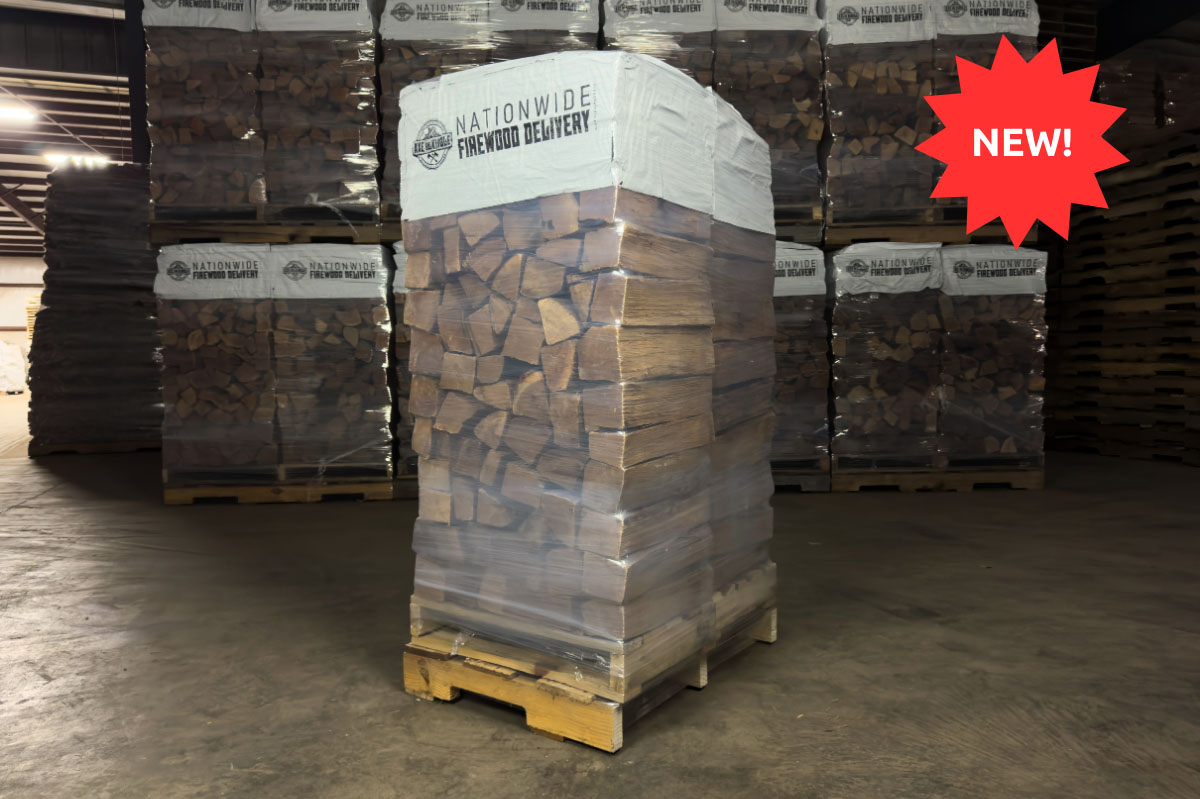
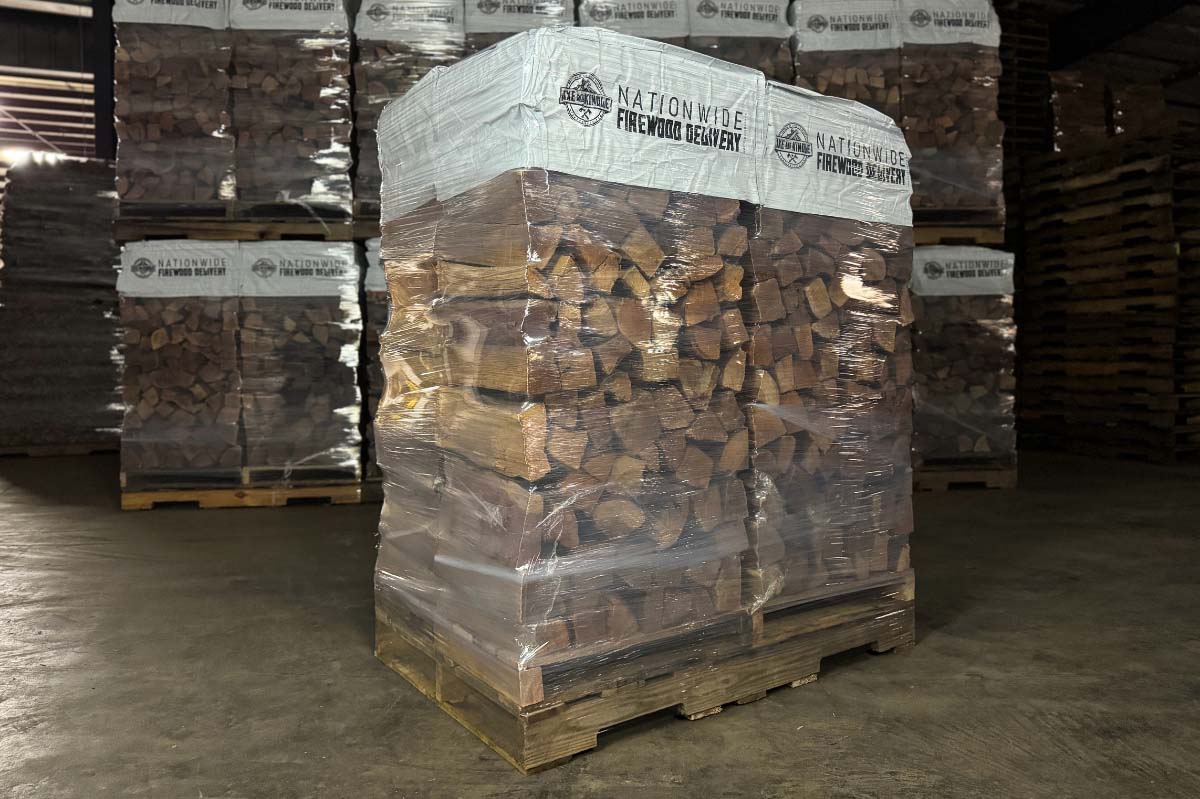
Ensure that freshly dropped logs undergo a drying period of 6 to 12 months before use. When storing them, stack the dry logs loosely with gaps between them to facilitate adequate air circulation. This precaution also applies to outdoor storage, where protection against rainfall is essential. For restaurants requiring large quantities, pallets of kiln-dried hardwoods are recommended for consistent results. This choice avoids the pitfalls of cheaper firewood options, which are susceptible to introducing potential pests and fungus while compromising on flavor and leading to undercooked food due to concentrated resin content.
Cooking Vegetables and Fruits with Firewood
Cooking food over a firewood flame goes beyond enhancing the flavors of meats alone. This method imparts a smoky, sweet essence to fruits and vegetables, transforming them into entirely new creations with the help of various wood types like apple, peach, pear, or cherry for grilling. Fruits, too, benefit from the firewood experience, especially when specific woods like mangoes or lychee are utilized. This imparts distinct flavor profiles to each fruit, blending seamlessly with their natural sweetness. The result is a collection of dishes bursting with delicious flavors, all achieved by firing up your grill using wood instead of gas!
Experimenting with Exotic Woods
For those looking to elevate their firewood cooking skills, experimenting with more unusual woods can be a delightful way to infuse unique flavors and aromas into your meals. Softer wood varieties like pecan, tigerwood, wenge, or teak, each belonging to different wood species categories, offer distinct tastes compared to the typical oak and hickory chips used in this culinary adventure.
Consider exploring fruity-named variants such as plum, lemon ash, olive, apricot, nectarine, almond, walnut, pear, coffee, each contributing a different taste sensation when grilled on flamey logs. Depending on the meat you're grilling, the type of tree providing the fuel may even influence the choice: mesquite pairs well with beef, while maple complements pork dishes.
Before venturing into the realm of exotic woods, there are crucial steps to take. Confirm that the wood being burned won't release toxic fumes, use food-safe finishes like oils or beeswax when appropriate, and don protective clothing while igniting fires, especially if small dust particles become suspended, as inhaling them isn't healthy.
Summary
The art of firewood cooking goes beyond the simple act of building a fire and placing food on it. Woods such as hickory, mesquite, apple, cherry, and maple each bring unique flavors to the table, offering the potential to impart the perfect taste to your dish when grilling or smoking. Ensuring that the wood you use is sustainably sourced is essential for achieving the best results in terms of flavor. Keep exploring different wood combinations until you discover what works well with various types of foods!
Need Firewood?
Transform your culinary and warming endeavors with our exquisite kiln-dried firewood. Carefully curated for an unparalleled burning experience, our premium firewood promises to elevate your moments of warmth and culinary delight.