Grilling with Hardwood - Elevate Your BBQ Game this Summer
As summer approaches, the air fills with the tantalizing aroma of grilled food—a true hallmark of the season. But beyond just any grilled meal, there's something uniquely satisfying about one that’s been cooked over real hardwood. At Axe & Kindle, we understand that the choice of firewood can make or break your barbecue experience. That's why we're excited to share how our specially sourced oak and hickory firewood can elevate your grilling game to gourmet levels this summer.
In this blog post, we’ll explore the distinctive advantages of grilling with oak and hickory, two hardwoods renowned for their ability to enhance the flavor of your grilled foods dramatically. Whether you're a seasoned pitmaster or a weekend grill enthusiast, understanding how different woods affect your grilling can help you achieve outstanding results every time. From the subtle, smoky sweetness imparted by oak to the strong, bacon-like flavor from hickory, each type of wood offers a unique way to enhance various dishes.
So, grab your grilling tools, and let’s delve into why oak and hickory from Axe & Kindle should be your go-to woods for that perfect summer BBQ.
The Basics of Hardwood Grilling
When it comes to grilling, the choice of wood is just as crucial as the quality of the ingredients. Hardwood, such as oak and hickory, offers distinct advantages that can enhance the grilling process and improve the flavor of the food.
What is Hardwood?
Hardwood comes from deciduous trees which are generally slower-growing, making the wood denser and heavier. This density translates into a higher energy content per volume, which means hardwood burns hotter and longer than softer woods like pine or cedar.
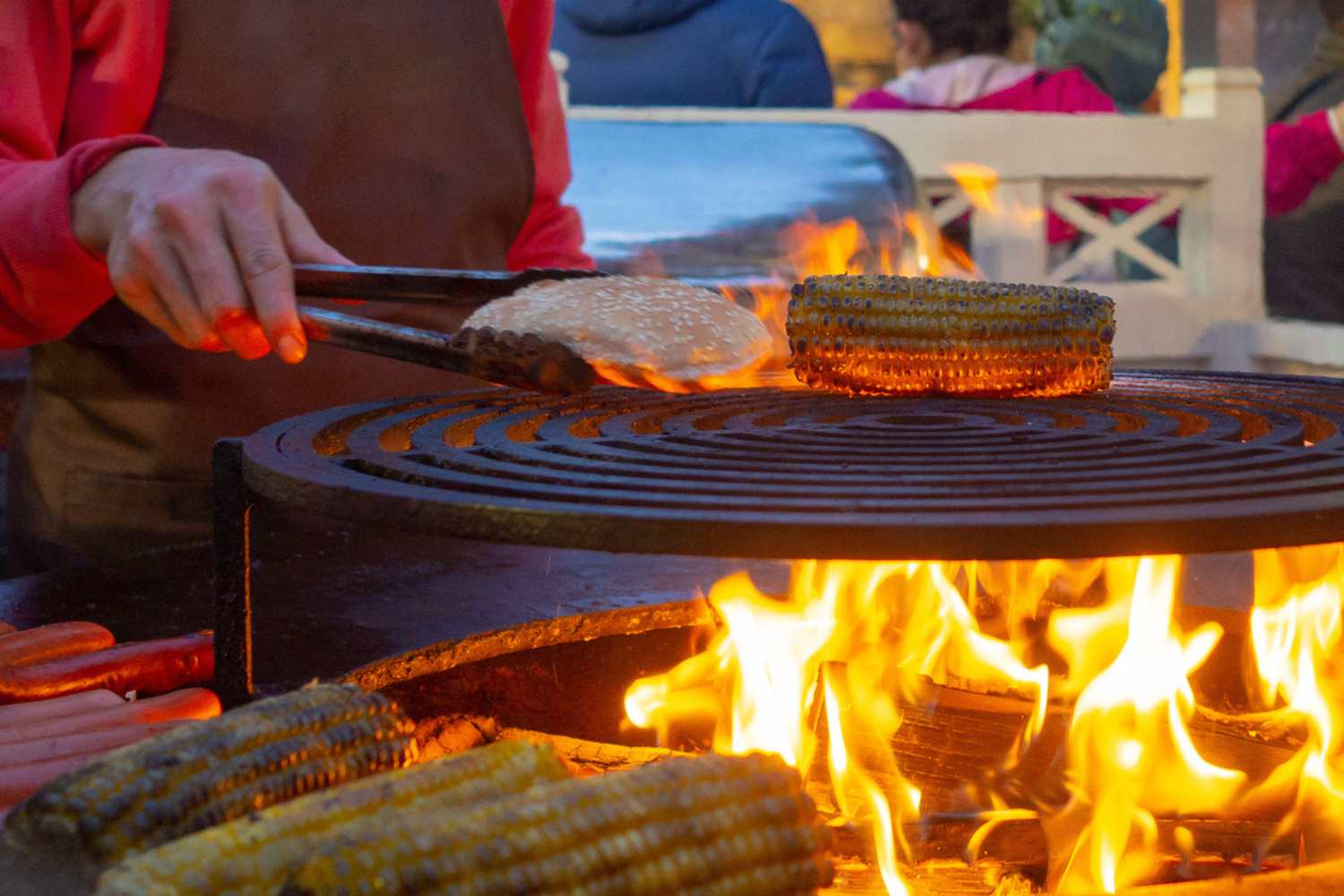
Why Choose Hardwood for Grilling?
Consistent Heat: Hardwoods burn more consistently than softwoods, providing a steady heat that’s essential for properly cooked food. This consistency allows for better control of the cooking temperature, crucial for grilling.
Longer Burning Time: Due to their density, hardwoods burn slower and maintain heat for a longer duration, making them ideal for extended cooking sessions and slow grilling recipes.
Minimal Flare-Ups: Hardwoods tend to produce fewer sparks and flare-ups compared to softwoods. This is because hardwoods have less sap and resin, which can cause sudden and dangerous increases in flame size.
Rich, Smoky Flavor: Hardwoods produce a rich smoke that imparts a distinct flavor to the food. The type of hardwood used can dramatically affect the taste, adding a layer of complexity to simple dishes.
Grilling with hardwood not only optimizes the cooking experience but also enhances the sensory qualities of the food, making it a favorite choice for those looking to elevate their BBQ.
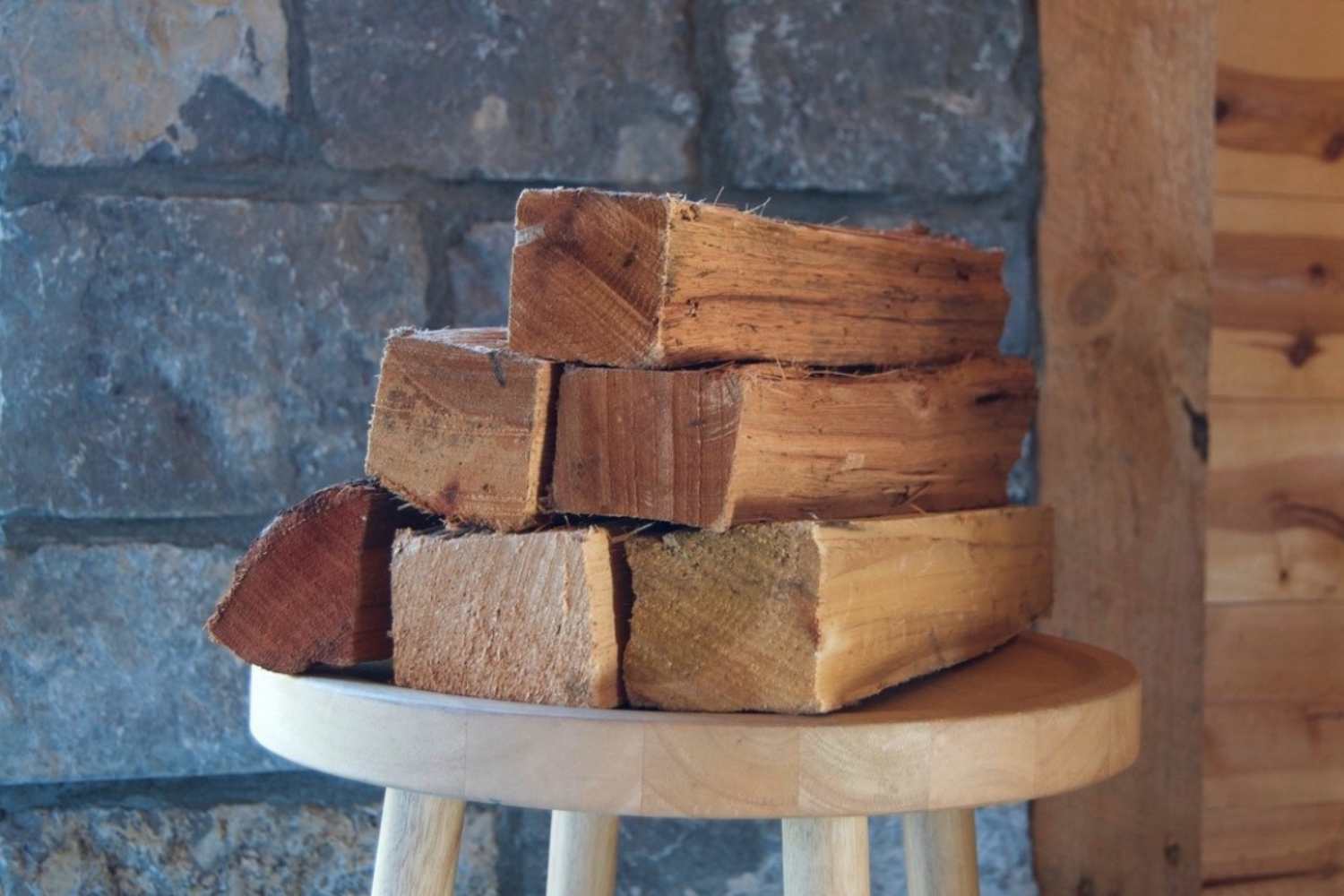
Spotlight on Oak Firewood
Oak is a hardwood that is highly prized in the culinary world, especially for grilling and smoking. Its widespread availability and balanced characteristics make it an excellent choice for almost any grilling endeavor.
Characteristics of Oak Firewood
- Burn Rate and Heat Output: Oak has a moderate burn rate and produces a consistent, high heat, making it ideal for both grilling and smoking. This ensures that the food is cooked evenly, enhancing the texture and flavor.
- Smoke Profile: Oak wood smoke imparts a medium to strong smoky flavor that is less intense than hickory but stronger than fruit woods like apple or cherry. It’s known for adding a subtle, smoky sweetness to the food.
Enhancing Flavor Profiles with Oak
Oak wood is particularly well-suited for red meats and hearty vegetables. Here’s how it enhances different foods:
- Beef: Oak’s robust smoke enhances the natural flavors of beef, making it perfect for steaks, ribs, and burgers.
- Pork: For cuts like pork shoulders and sausages, oak provides a subtle sweetness that complements the savory richness of the meat.
- Vegetables: Dense vegetables like potatoes and mushrooms absorb the smoky flavors well, gaining a delightful complexity.
Tips for Grilling with Oak Wood
Preparation: Ensure the oak wood is properly seasoned (dried). This helps it burn cleaner and produce the optimal amount of smoke.
Temperature Control: Start with a hotter fire and allow it to settle to a medium heat, which is ideal for most meats and vegetables.
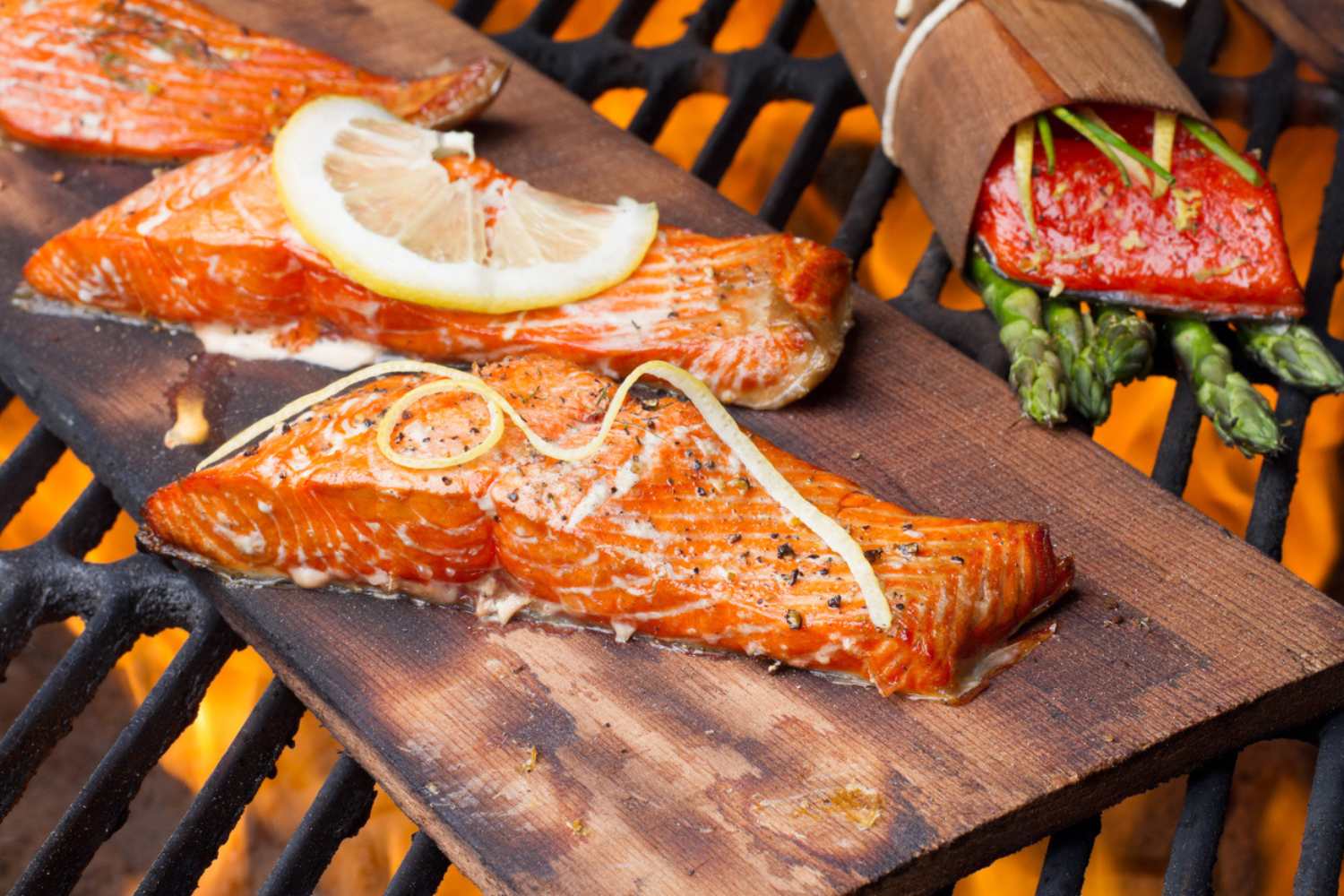
Combining Woods: Oak can be mixed with milder woods like apple or cherry to create a more nuanced flavor profile, especially useful for poultry and fish.
Using oak from Axe & Kindle guarantees that you’re getting high-quality, well-seasoned wood that’s ready to use and perfect for achieving the best results in your grilling sessions.
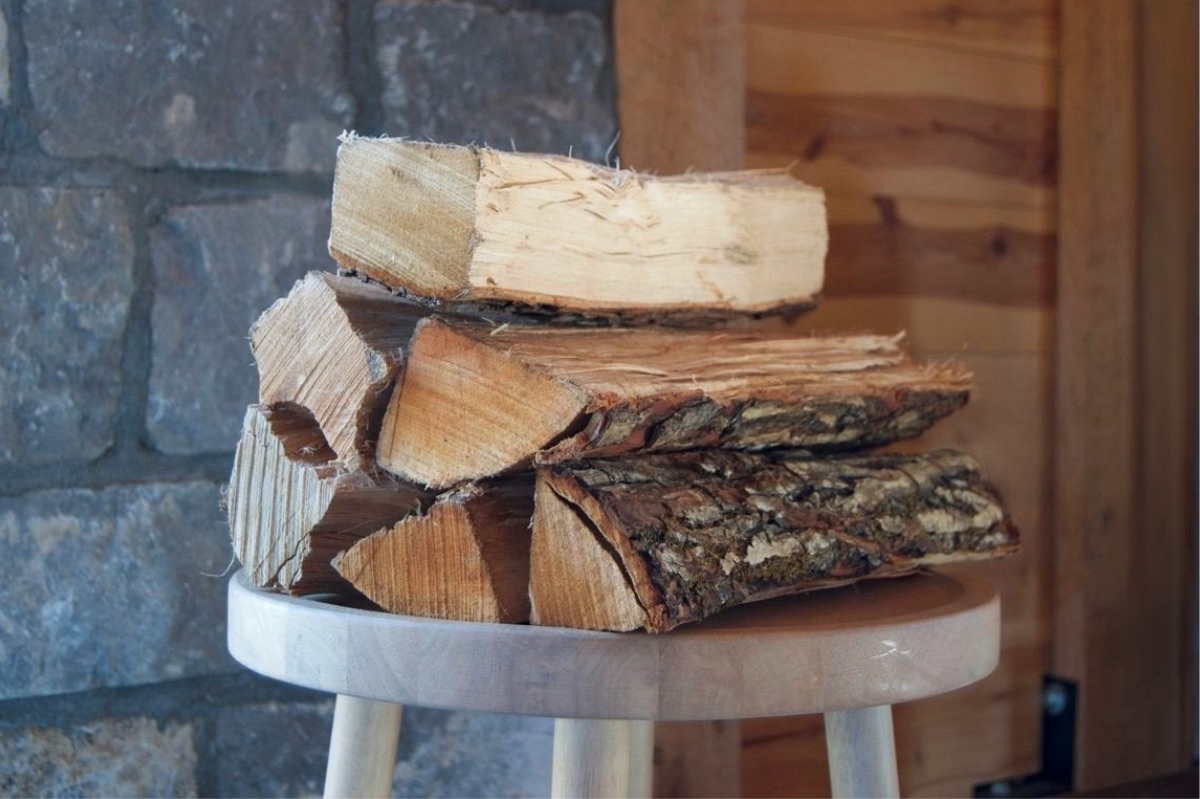
Spotlight on Hickory Firewood
Hickory is renowned for its strong, bold flavors, making it a favorite among barbecue enthusiasts who crave that classic smoky taste. Its characteristics offer a different dimension to grilling that can be tailored to specific types of food for an unforgettable BBQ experience.
Characteristics of Hickory Firewood
Burn Rate and Heat Output: Hickory burns even hotter than oak and has a long burn time, which makes it ideal for extended cooking sessions and smoking.
Smoke Profile: Hickory produces a heavy, pungent smoke that is significantly more aromatic than oak. This strong, bacon-like flavor is particularly well-suited to foods that can stand up to bold tastes.
The Distinct Flavor Profile of Hickory
Hickory's robust smoke makes it a perfect match for:
Poultry: Chicken and turkey absorb hickory’s pronounced flavors well, enhancing these lighter meats without overpowering them.
Pork: Particularly for cuts like ribs and pulled pork, hickory adds a depth of flavor that complements the natural fattiness of pork.
Cheese: Smoking cheese with hickory wood infuses it with a rich, savory flavor that’s hard to achieve with milder woods.
Grilling Tips Specifically for Hickory
Moderation is Key: Due to its strong flavor, hickory should be used judiciously. Too much can overwhelm the food, so it's best to mix it with milder woods if a subtler flavor is desired.
Soaking Wood Chips: If using hickory chips, soaking them in water for at least an hour before grilling can help to temper the intensity of the smoke.
Slow and Low: Hickory excels in low and slow cooking processes, where its smoke has time to permeate the food, imparting deep, complex flavors.
Incorporating hickory into your grilling repertoire with Axe & Kindle firewood means embracing the essence of traditional barbecue. Its bold flavor profile is a testament to its longstanding popularity in American BBQ culture.
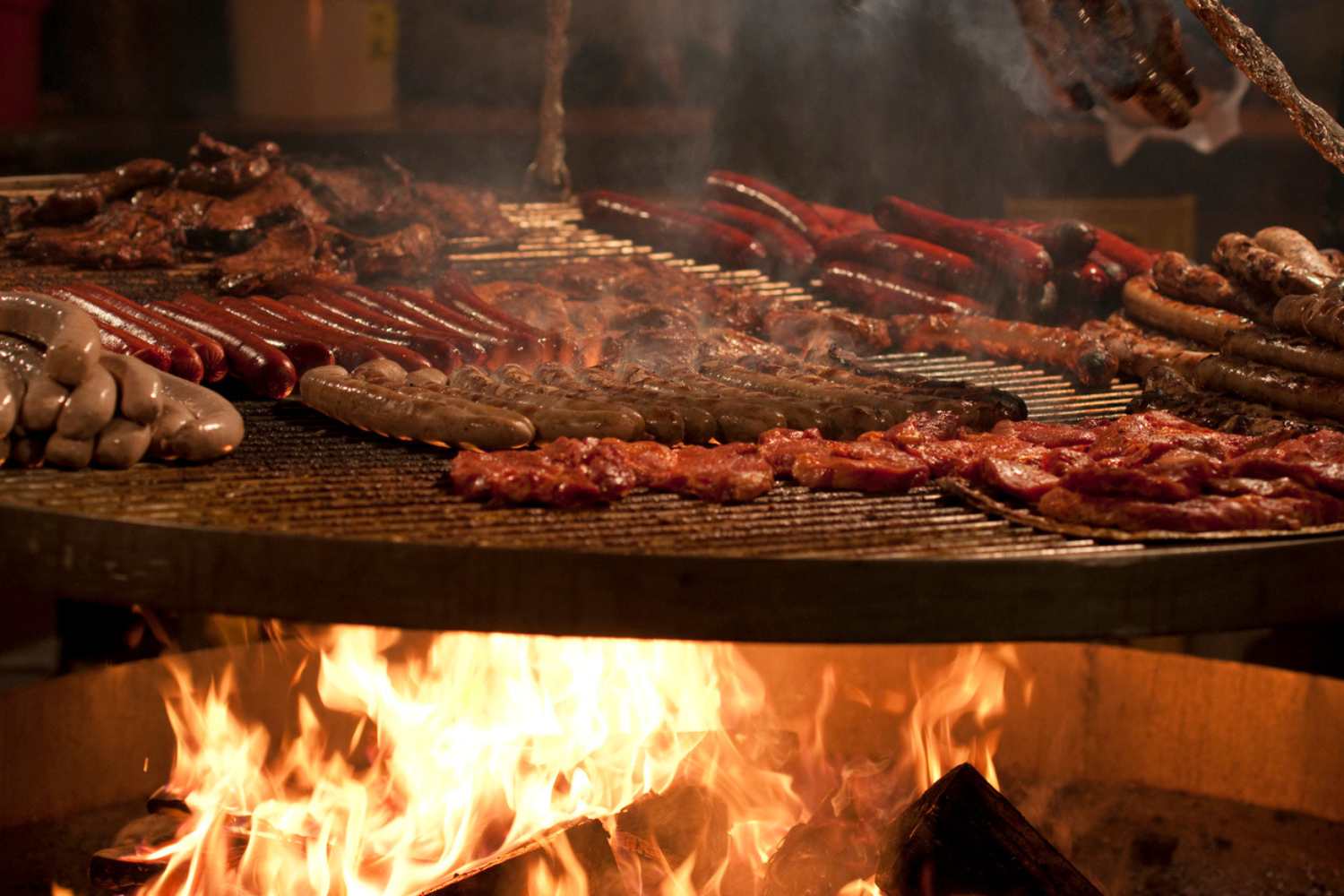
Combining Oak and Hickory for the Ultimate BBQ Experience
While both oak and hickory are excellent on their own, combining these two types of wood can elevate your grilling to an entirely new level. This blend allows you to harness the robust flavor of hickory with the subtle sweetness of oak, providing a balanced smoke that can enhance a wide range of dishes.
Benefits of Using a Blend of Oak and Hickory
Balanced Flavor: The strong, assertive flavor of hickory paired with the milder, sweeter notes of oak creates a complex smoke that is not overwhelming, suitable for various types of food.
Versatile Cooking: This combination is great for both fast grilling and slow smoking, offering flexibility depending on the dish being prepared.
Consistent Heat: Oak provides a stable heat source that complements the intense smokiness of hickory, ensuring that the food is cooked evenly and thoroughly.
How to Mix Oak and Hickory for Optimal Heat and Flavor
Ratio of Wood: Start with a higher proportion of oak to hickory, such as 70% oak and 30% hickory. This ratio can be adjusted based on personal preference and the type of food being cooked.
Layering the Wood: Place oak logs first as they provide a steady base of heat, then add hickory for intense bursts of flavor. This technique works well in smokers and larger grills.
Monitoring the Smoke: Keep an eye on the color and density of the smoke. A lighter, blue-tinged smoke indicates optimal combustion, ideal for imparting flavor without bitterness.
Specific Recipes or Food Combinations
For Meats: Use the blend for smoking brisket or pork shoulders, where prolonged exposure to smoke can imbue the meat with layers of flavor.
For Poultry and Fish: A lighter touch with more oak than hickory is beneficial, as these meats are more delicate and can become overpowered by too much hickory.
For Vegetables and Cheeses: A short exposure to the mixed smoke adds an intriguing taste that enhances rather than masks the natural flavors.
Combining these woods not only maximizes the sensory experience but also allows for culinary creativity, letting both amateur cooks and seasoned grill masters experiment with flavors in a controlled yet adventurous way.
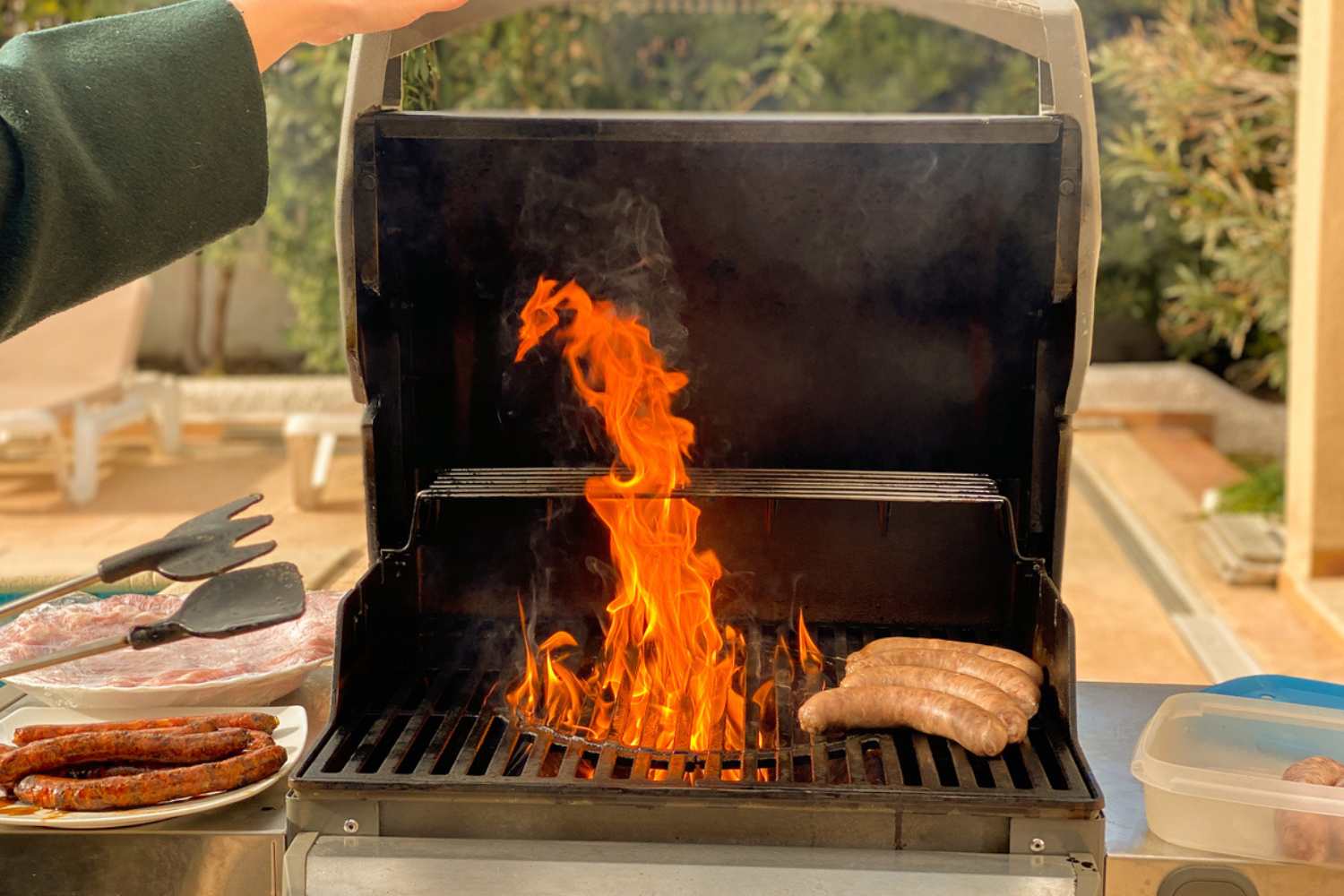
Practical Tips for Grilling with Hardwood
Grilling with hardwoods such as oak and hickory can transform a simple barbecue into a gourmet event. However, achieving the perfect grill requires not just the right wood, but also the right techniques. Here are some practical tips to help you master grilling with hardwood.
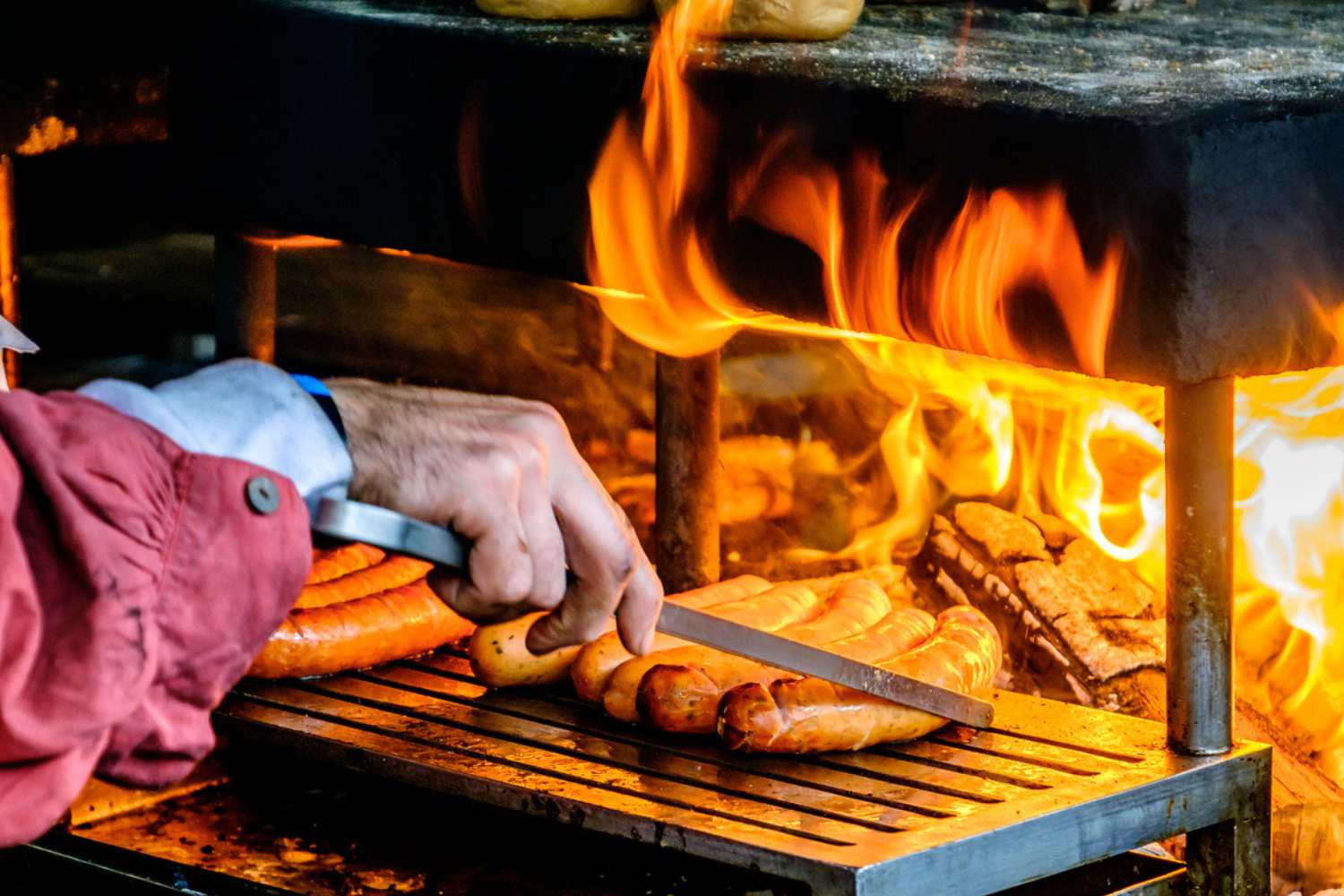
Preparing Your Firewood
When grilling with hardwood like oak and hickory, preparation is key to ensuring a perfect cooking experience. Here’s how to prepare your kiln-dried firewood from Axe & Kindle for optimal use:
Kiln-Dried Wood: Ensuring Optimal Dryness
Quality of Kiln-Dried Wood: Axe & Kindle offers exclusively kiln-dried firewood, which is heated in a controlled environment to remove moisture effectively. This process ensures that the wood burns cleaner and hotter than traditionally seasoned wood, producing less smoke and soot. This helps maintain the natural flavor of your food without any unwanted aftertastes.
Benefits of Kiln-Dried Wood: Unlike seasoned wood, which can vary in moisture content, kiln-dried wood offers consistency in burn and temperature control, making it ideal for both grilling and smoking.
Sizing the Wood
Choosing the Right Size: For quicker grilling sessions, smaller chunks or splits are ideal as they ignite and reach cooking temperature faster. These are perfect for searing meats or grilling vegetables where cooking time is shorter.
For Longer Smoking Sessions: Opt for larger pieces of hickory or oak. These larger cuts burn slower and provide a steady smoke that’s perfect for smoking meats like brisket or pork shoulders over several hours.
By starting with high-quality kiln-dried wood from Axe & Kindle and selecting the appropriate size for your cooking method, you ensure a superior grilling experience every time. These preparations not only enhance the flavor of your dishes but also make your grilling process more efficient and enjoyable.

Lighting and Maintaining the Fire
Building a Fire: Start with a base of smaller, easily ignitable materials like kindling or natural fire starters. Once the fire is going, add your hardwood gradually to build up a steady, hot bed of coals.
Temperature Control: Use a grill thermometer to monitor the temperature closely. Hardwoods burn hot, so it’s crucial to manage the airflow and wood placement to maintain a consistent temperature.
Adding Wood: Add wood in stages. Putting too much wood on at once can smother the fire or cause it to burn too hot. The goal is to maintain a steady smoke and a consistent temperature.
Safety Tips
Fire Safety: Always have a fire extinguisher or water source nearby in case of emergencies.
Handling Firewood: Use heat-resistant gloves when adding wood to the grill. Hardwoods can produce significant sparks and heat, so proper handling is essential to avoid burns.
Storage and Care for Hardwood
Proper Storage: Store your hardwood in a dry, ventilated area to prevent it from absorbing moisture. Moist wood can lead to smoky, inefficient burns.
Regular Inspection: Check your stored wood regularly for signs of mold or pest infestation, which can affect the quality of the smoke and the safety of your food.
Using these tips will help you get the most out of your hardwood grilling experience. By managing your firewood correctly, you can ensure that each grilling session is as delicious and enjoyable as possible.
Conclusion
We’ve explored the unique qualities and benefits of grilling with oak and hickory hardwoods. These two types of wood offer not just heat and smoke, but an entire palette of flavors to enhance your summer barbecues. Whether you prefer the subtle, smoky sweetness of oak or the bold, robust notes of hickory, or even a combination of both, Axe & Kindle provides the premium, seasoned firewood you need to take your BBQ to the next level.
Experiment with different woods, techniques, and recipes to discover your preferred style and flavor profiles. Remember, the best meals are not just cooked—they are crafted with attention to every detail, from the source of heat to the seasoning of the meat.
Thank you for joining us on this flavorful journey. Here’s to a summer of spectacular grilling with Axe & Kindle’s finest oak and hickory firewood!