Perfect Firewood Selection: Elevate Your Cooking & Heating Experience
Elevate your cooking and heating endeavors through the art of selecting ideal firewood. This guide unveils the key considerations for choosing the perfect firewood, providing not only sensory satisfaction, but also a commitment to environmental consciousness. Explore the intersection of tradition, innovation, and eco-friendly practices as you make informed decisions to elevate your culinary and heating experiences. Welcome to a world where the right mix of firewood enhances every aspect of your journey!
Key Takeaways
- Hardwoods such as oak and hickory are preferable for cooking and heating due to their slow burn, high heat output, and consistent smoke quality; while softwoods have a faster burn and are best used for kindling or quick heating needs.
Understanding Firewood Types
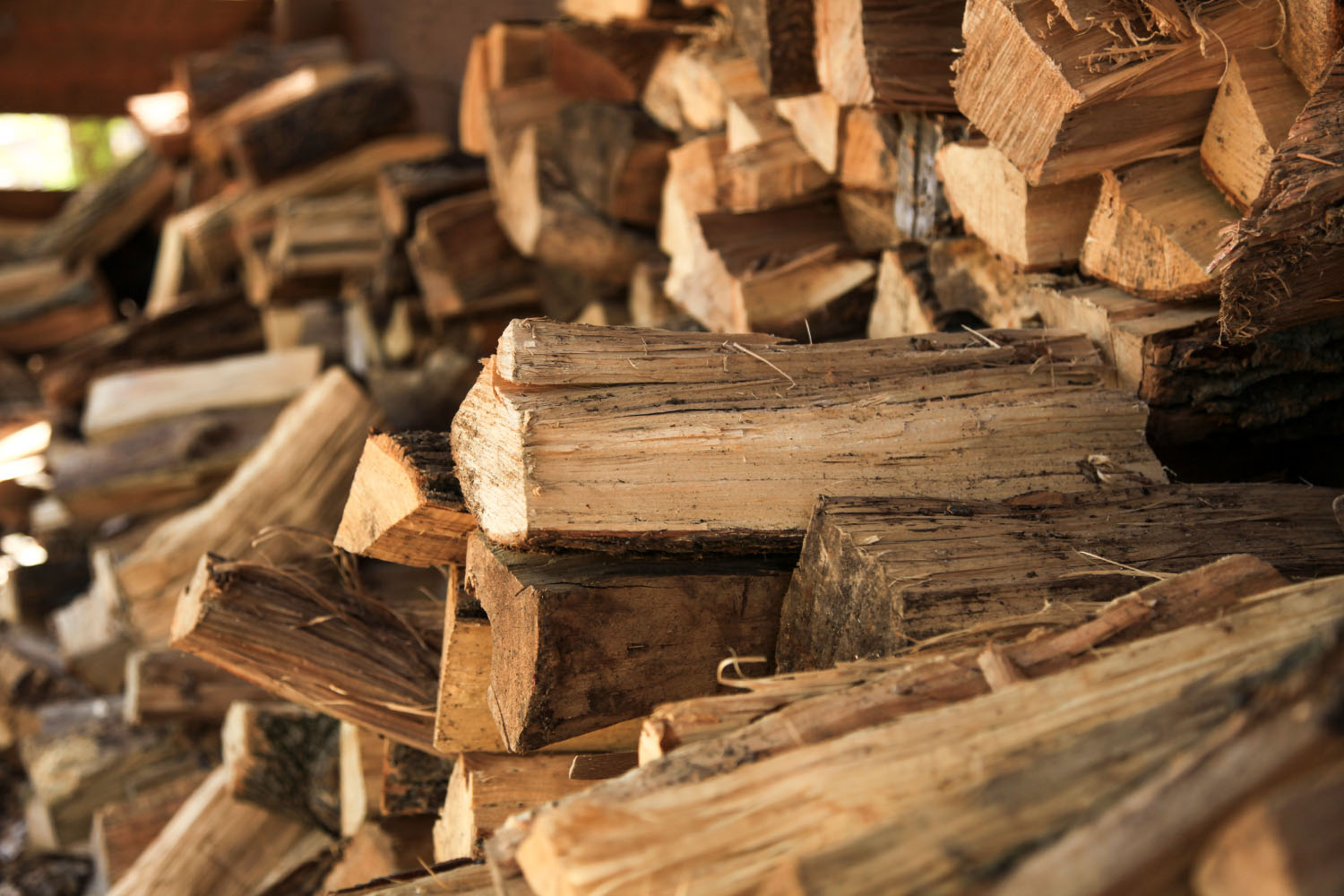
Wood and fire can add a lot to cooking, heating, and overall experience. This domain of fuel is divided into two broad classes – hardwoods from fruit or nut trees like oak or hickory, and softwoods such as cedar, pine, fir, etc. Hardwoods have higher energy content, but require checking for moisture levels. Softwoods are less intense in terms of their generated temperature, yet they make more energy, thus being an ideal choice for fast fires needed only briefly but not optimal for long lasting blazes due to its high smokeiness level. Nevertheless it serves great as a kindling material, effectively boosting up other sources when lit together with them, producing a desired amount of heat required along with significant flavor retention.
Hardwoods
Hardwoods are the workhorses of firewood since their denser composition makes them more resilient to burning, creating prolonged heat, and an even source of warmth for homes or meals cooked over long fires. Firewood collectors seeking reliable sources that will help in heating a house or crafting exquisite tastes should consider using hardwoods as they create minimal smoke when burned, and enhance flavors without unwanted particulates invading flavor profiles. Charcoal has been known to provide similar benefits, though not on the same level as hardwood-fueled flames due to its inability to burn with slow constancy. Trees such as oaks and maples make ideal options for attaining hotter, longer lasting burns desired by many food connoisseurs looking for beautifully crafted dishes rooted from fantastic smoky goodness.
Softwoods
Softwoods have a lower density and are lighter in weight, so they burn much quicker. Examples of these woods include cedar, pine, fir, spruce, and juniper. This faster burning nature means that softwood is not suitable for cooking since it will produce more smoke than other types of wood used when grilling or smoking meat.
Despite this fact, their properties make them an excellent choice for use with kindling due to their ease to ignite and the fast rate at which they can be burned down after drying processes have taken place during preparation stages (an important step in ensuring efficient burning performance from a fuel source like firewood)!
The Art of Firewood Collection

The gathering of firewood is a tradition-rich process with geographic, cultural, and technological components influencing its implementation. The tools used to collect the wood will differ depending on the region. This impacts which kind of wood is best for particular cooking or heating functions in rural areas where it acts as a primary source of fuel. Cultural habits such as dividing labor and restrictions regarding using live logs also affect how people go about collecting their own firewood. This makes it clear why approaches can be so different from one location to another when harvesting wood for warmth or food preparation activities.
Drying & Moisture Management
The process of drying wood is crucial for efficient burning, as wood with high moisture content tends to burn slowly, releasing smoke and offering less energy for heating. To maximize heat output and combustion efficiency, it is recommended to maintain wood moisture content below 20%. Enter kiln-dried firewood – a superior choice that swiftly reduces excess humidity while preserving valuable energy within each timber piece. This is achieved through controlled environments during accelerated drying times, resulting in heightened flame intensity and preventing substantial losses during water evaporation before ignition.
In essence, opting for kiln-dried firewood ensures prompt action in addressing excess humidity, leading to higher heat outputs and enhanced combustion values. This careful preparation results in lower moisture levels, minimizing emissions and providing a safer, more comfortable experience with extended warmth indoors during the winter months. Choose kiln-dried firewood for a reliable and efficient heating solution that stands out in terms of safety and comfort.
Storing Your Firewood Properly
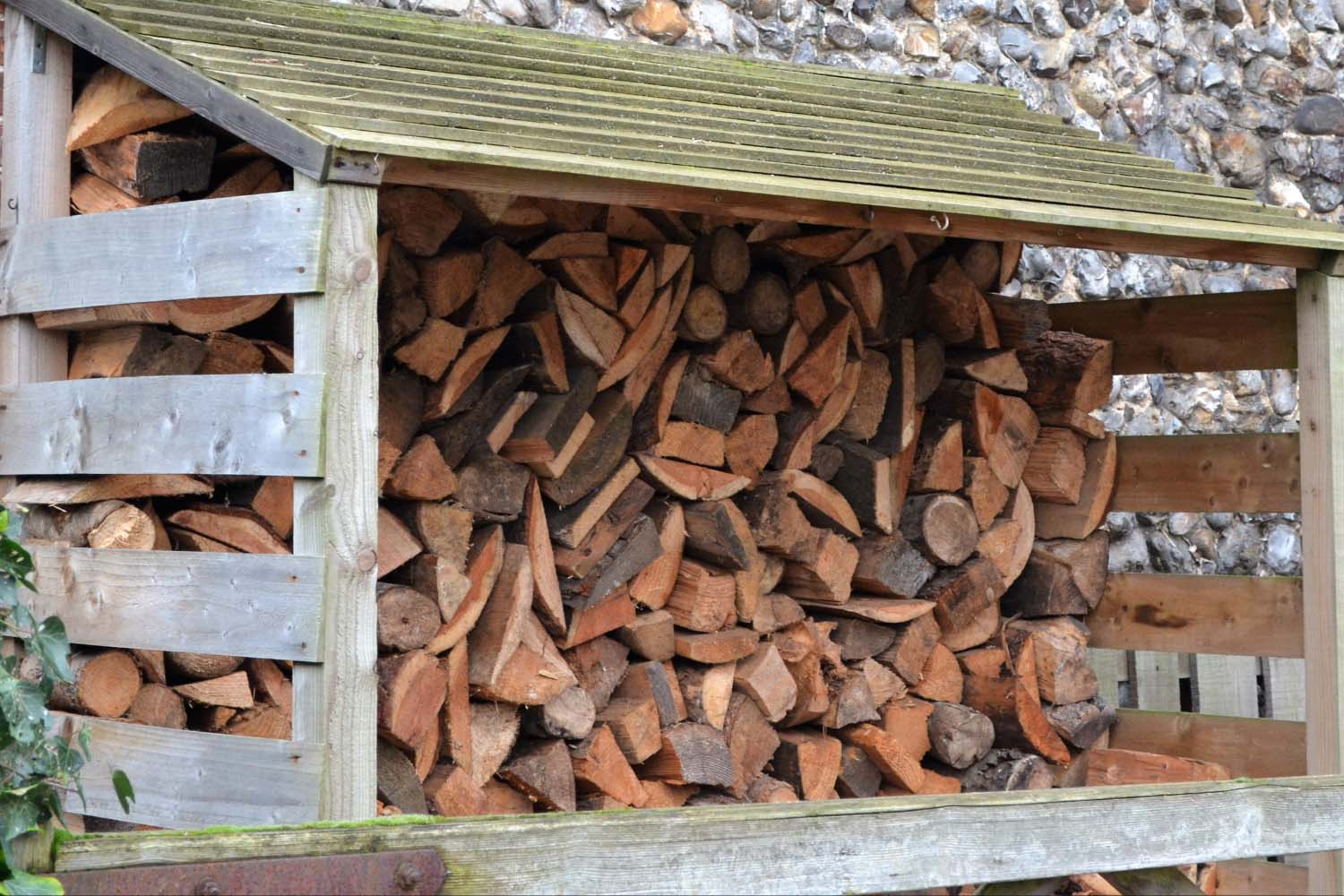
To store firewood in the most optimal way, a rule of thumb is to keep it dry and adequately aerated. Good practices for storage can include creating a pile or special structures that provide great insulation. When stacking logs on each other, forming them into lines as wide as the length of the individual logs helps attain stability within a stack. Also, make sure the wood elevation remains away from ground level and is covered during rainy/snowy days to keep pests away. Another element required while storing your firewood is avoiding any source of moisture which might deteriorate its shelf life quickly. When constructing one’s own rack, and make it even more secure, it is suggested using pressure-treated 2x4s alongside corrugated metal panels and construction screws.
Cooking Techniques with Firewood
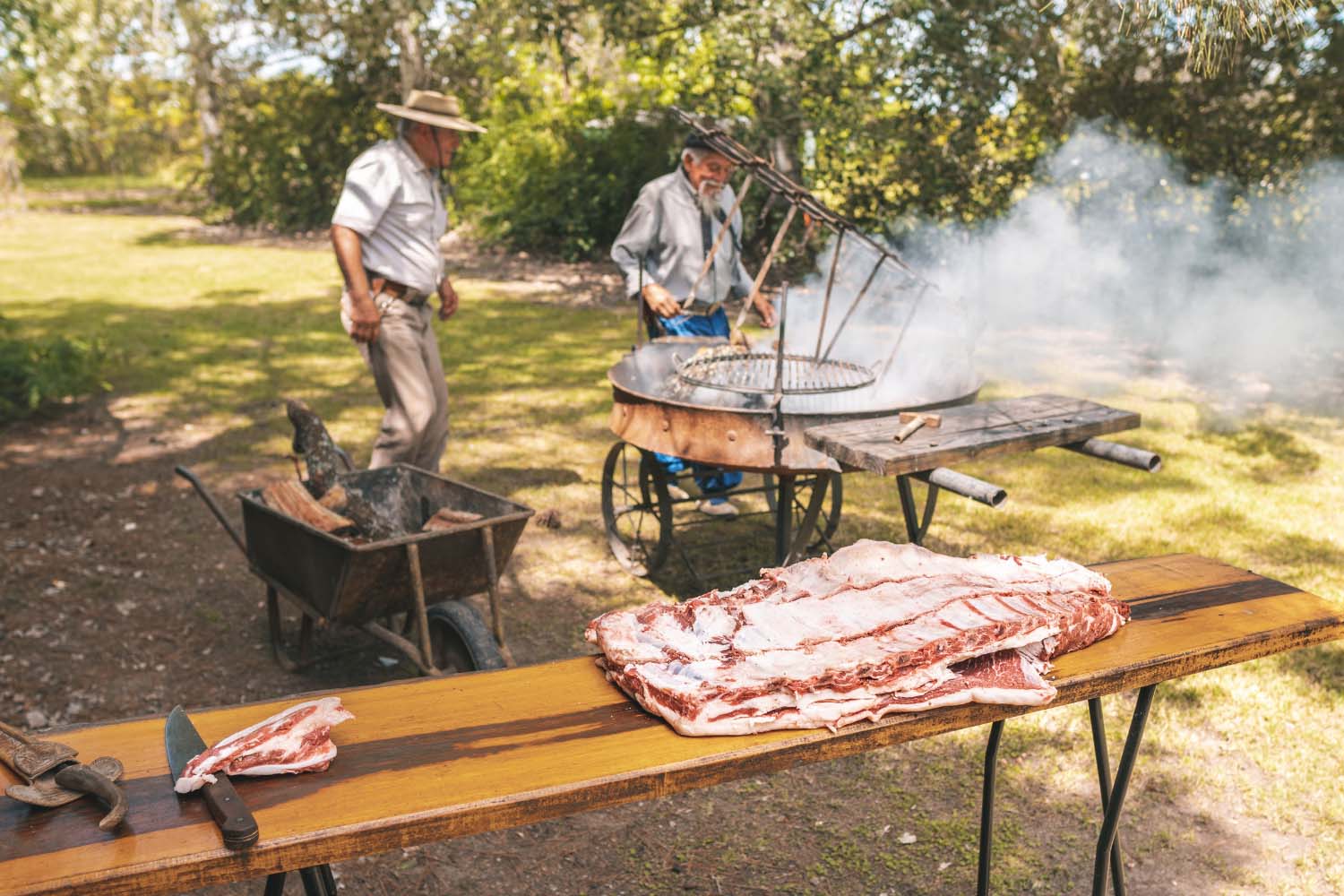
Firewood goes beyond merely providing warmth; it serves as a versatile tool for skilled chefs to impart a variety of flavors and textures to their dishes. Through the process of pyrolysis, firewood transforms into woodgas, igniting in the presence of oxygen to generate heat for various cooking techniques such as grilling, smoking, and open-flame cooking. The utilization of small splinters, or splits, from fast-burning pieces helps maintain stable temperatures during food preparation, while tiny hardwood fragments, known as chips, add an extra smoky dimension to the final dishes. This approach is not limited to a specific grill but offers a broader perspective on the culinary possibilities of cooking with firewood.
Grilling
Grilling with firewood demands more than just placing meat on the grill; it requires a nuanced approach to harness the full potential of flames. The key lies in understanding heat zones and mastering flame control, especially when employing the 2-zone grilling method. To kickstart this process, strategically position firewood to create a hot zone on one side of the grill while leaving the other side without direct flames. This deliberate setup allows for versatile cooking, with the hot zone ideal for searing and the cooler zone perfect for slow, even cooking of various items simultaneously.
Achieving success in grilling with firewood means maintaining a delicate balance throughout the cooking process. Careful management of the wood-fueled flames ensures consistent results, steering clear of scorching or overcooking. Beyond the functional aspects, grilling with firewood imparts a distinct smokiness to dishes, elevating their flavor profile. Embracing this exclusive use of firewood adds an authentic touch to the grilling experience, unlocking a range of flavors and textures that go beyond the ordinary.
Smoking
Smoking with hardwoods such as hickory and oak remains a time-honored method for infusing exceptional flavor into food, surpassing the capabilities of modern cooking practices. Mixed hardwoods, including post oak, mesquite, pecan hickory, cherry, apple, pear, and red oak, offer distinct tastes to the dishes cooked over them. It's crucial to avoid softwoods like fir trees due to their sticky sap and strong terpene odor, which can adversely affect the flavor of smoked foods.
Smoking times for various ingredients may vary based on the desired level of "smokiness." Precision in heat management is paramount throughout the smoking process. Chefs must ensure accuracy in temperature control to achieve reliability, allowing them to tailor the intensity of smokiness using hardwoods such as hickory or oak to match the desired flavor profile. This meticulous approach captures the essence of smoking, creating a scrumptious aroma that satisfies the soul.
Open-Flame Cooking
Cooking with wood over an open fire has the power to take us back to our ancestral heritage. Directly grilling food on a flame gives it unique smoky flavors and aromas that add up its natural taste, creating a sensational experience in terms of flavor. To be able to control temperature during this process, one needs to manage their flames by adjusting the distance between the dish and them, adding small quantities of fuel bit by bit, placing your lit pieces away from direct contact with what you are cooking, and ensuring enough dry supply throughout is also highly beneficial for good results.
Read more about the best types of food to cook on different types of firewood here.
Measuring & Purchasing Firewood
When it comes to purchasing firewood, understanding key considerations and determining the required quantity is essential. In North America, wood is typically sold by volume measurement, with a full cord measuring up to 128 cubic feet and having dimensions of 8 feet in length, 4 feet in width, and 4 feet in height, or as a face-cord/bag. Factors such as the type of tree, moisture content, and drying technique can significantly impact price levels.
For those seeking optimal performance, considering kiln-dried firewood brings added benefits. Kiln-drying ensures a lower moisture content, resulting in wood that ignites more easily and burns efficiently. This not only contributes to a cleaner and hotter burn but also reduces the risk of creosote buildup in chimneys. Additionally, burning locally cut firewood not only supports environmental balance but also helps prevent the inadvertent spread of destructive insects in the vicinity of nearby trees.
Firewood in Traditional Stoves & Modern Appliances
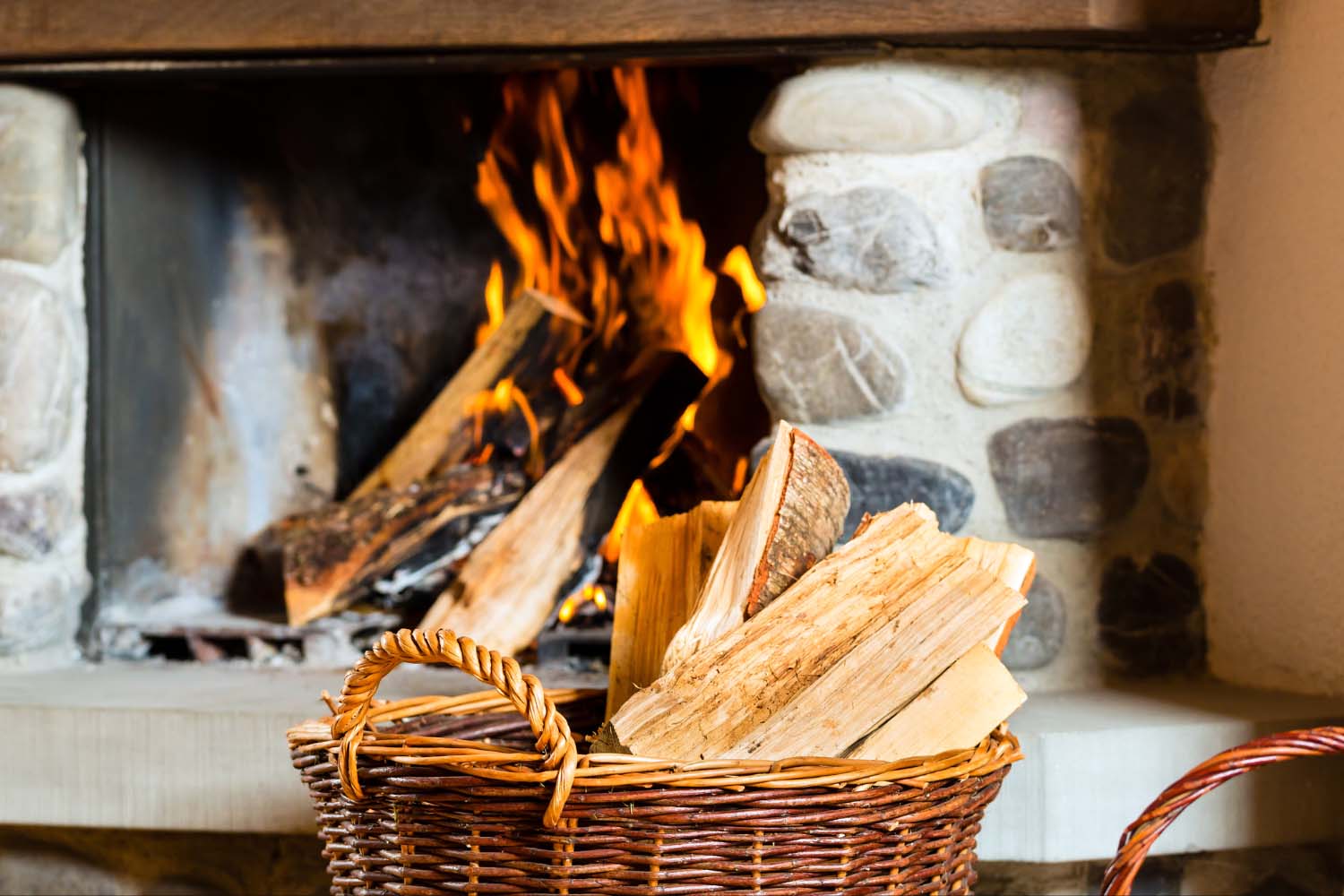
Traditional stoves have long relied on wood as the primary fuel source, offering a timeless method of cooking and heating spaces. Over time, advancements in stove design have sought to enhance the efficiency of burning firewood, introducing features that go beyond mere functionality. Noteworthy improvements include the integration of smoke-reducing chimneys, pre-heated air intake systems, and insulation between inner and outer walls. These upgrades collectively contribute to a more efficient utilization of firewood, resulting in improved performance and reduced wood consumption during the cooking process.
Woodburning stoves and fireplaces stand out as a popular embodiment of this traditional energy source. These stoves, along with various other conventional cookers, have embraced modern enhancements inspired by innovative stove designs. The incorporation of features such as smoke reduction, pre-heated air intake, and insulated walls reflects a commitment to sustainability and efficiency. By implementing these improvements, these stoves not only maintain the charm of cooking with firewood but also align with contemporary standards of resource conservation and environmental consciousness. Whether in the form of dedicated woodburning stoves or adaptations in other cookers, these advancements showcase a harmonious blend of tradition and modernity in the quest for sustainable energy utilization.
Summary
Firewood is an essential resource that provides more than just fuel, but also flavors and heating in traditional stoves or modern appliances. It’s a renewable source with environmental implications which require the correct collection, drying and storage methods for optimal use. A timeless classic that connects nature to technology while adapting to our environment’s needs. Firewood holds great value in our lives.
Need Firewood?
Transform your culinary and warming endeavors with our exquisite kiln-dried firewood. Carefully curated for an unparalleled burning experience, our premium firewood promises to elevate your moments of warmth and culinary delight.