
Live Fire Cooking: What It Is, Why People Love It, and How You Can Experience It for Yourself
You’ve heard it before: some people eat to live, others live to eat. Cooking is a universal experience that transcends simple sustenance and bare minimum nutrition. It is less about fueling our bodies like cars, and more about bringing people together. There’s a reason we spend our most important moments, like holidays and birthdays, passing plates with loved ones. But there’s one type of cooking that acts as the lifeblood of all cooking: cooking with live fire.
Since the beginning of time, our ancestors gathered around fires to tell stories, share meals, and savor food. You can picture it now: coming together after a long day of hunting, the fire crackling and hot, acrid smoke rising into the sky, the mouth-watering aroma of fresh meat sizzling on an open flame. The story of fire and food has been written into the greater story of humanity since before we can remember. Live fire cooking is not just a means of preparing food, but a way of life. It is an essential and timeless component of the human condition. And today, chefs and entertainment enthusiasts alike are rediscovering its timeless spirit and working to infuse it back into our way of life – with a modern twist.
What is live-fire cooking (and who cares, anyway)?
Live fire cooking is (you guessed it!) the process of cooking food over an open flame. Although it sounds simple enough, it’s a science, a skill, and an art. It takes practice, devotion, and a whole lot of love.
By connecting us to our ancient roots and evoking a sense of unity and camaraderie, live fire cooking transforms the entire cooking experience – but it also transforms the flavor of the food.
There’s a lot of delectable things happening when you cook in a live fire: charring, searing, caramelization, and more. Through intense heat and smoke, live fire cooking provides distinct flavors, enticing aromas, and unique textures. It's a celebration of all the senses.
Essentially, live fire cooking results in the perfect combination of succulence and crispiness. High heat sears the outside of meat into a delicious crust, while sealing all the juices on the inside. The intense, aromatic flavor rids any need for sauces or oils, making it a healthier option, as well.
For chefs, live fire cooking is a way to connect deeper with their craft and impress guests with their mouth-watering food. For event junkies, it’s a way to bring people together and create unforgettable experiences. For backyard fire cooks, it’s a way to grow skills and cook delicious food in the comfort of their own home. And for fire pit lovers, it’s a way to cultivate the timeless experience of fire alongside loved ones – in the easiest, most accessible way possible.
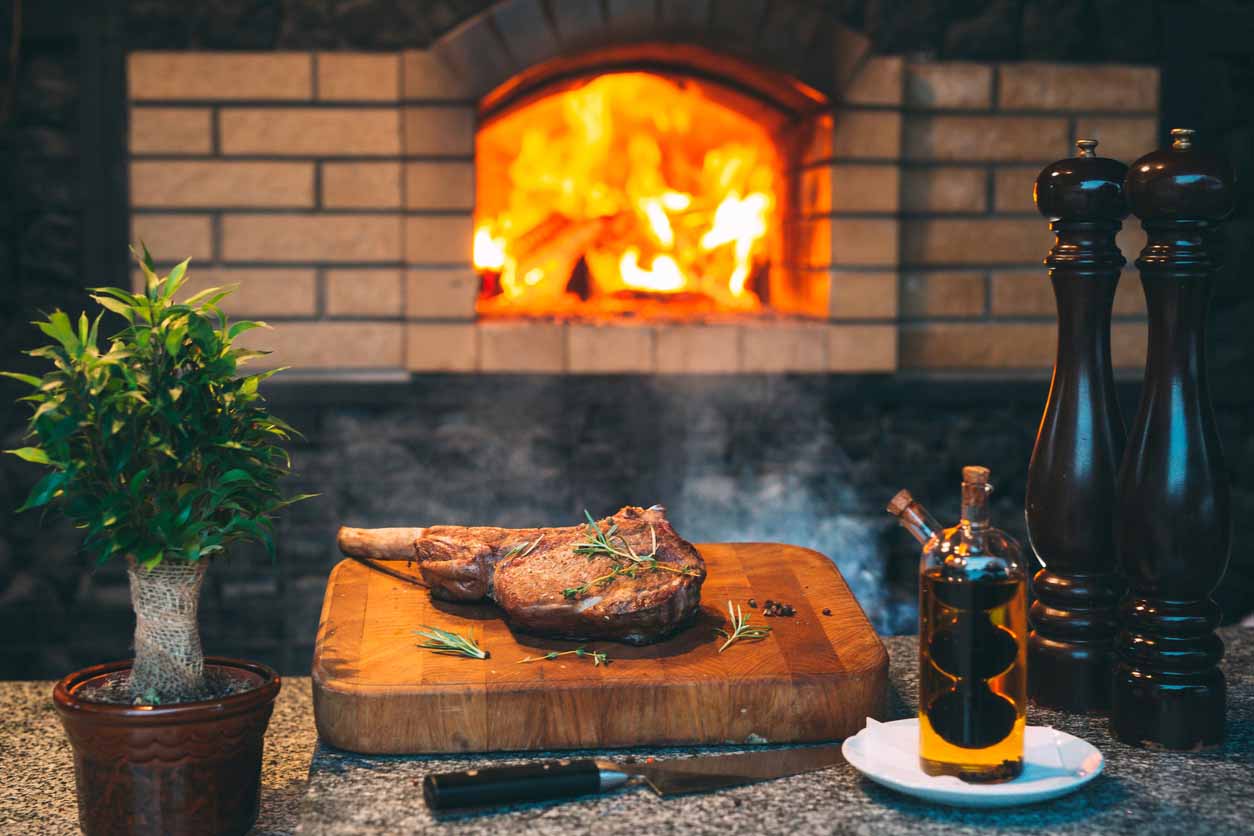
Live Fire Restaurants
Just like our ancestors tamed flames to bring flavors to life, chefs today are prioritizing live fire in restaurant kitchens to breathe life into their own creations.
Not only do they get to hone their craft and connect deeper with the most primal form of cooking, they get to provide guests with the most elevated dining experience possible.
With succulent cuts of beef, or a medley of vibrant vegetables, the delicious smoke seeps into the food and encases each bite in unique, aromatic flavor. NOKO Executive Chef and Partner Dung “Vo” Junior says that live fire cooking “provides a flavor that’s unmatched compared to other forms of cooking.”
There has been a resurgence of live fire restaurants all over the U.S., where chefs pride themselves in the quality of their fire to table experience. From coast to coast, there are award-winning restaurants utilizing live fire as their primary source of cooking in the kitchen. There are delicious high-end restaurants like:
- Death and Taxes (Raleigh, NC)
- Marta (Manhattan, NY)
- Noko Nashville (Nashville, TN)
- Cattivelli (Denver, CO)
- Ox (Portland, OR)
- and Herb and Wood (San Diego, CA)
You can check out a list of America’s best live fire restaurants here!
But, good news – the experience of live fire cooking isn’t limited to indoor fine dining.
Asado Events
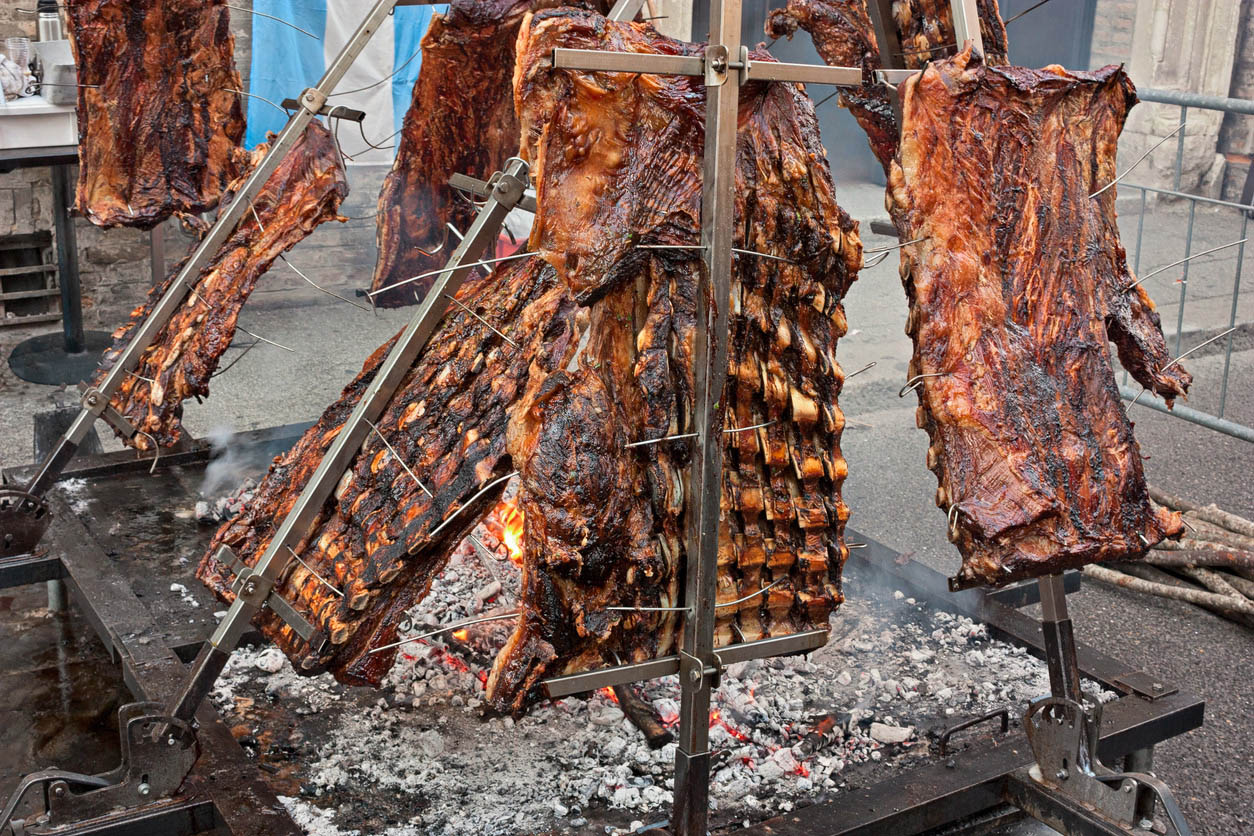
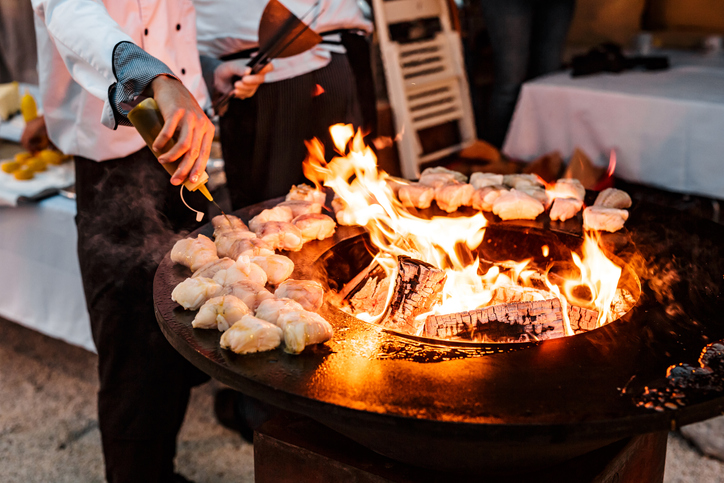
The term “Asado” describes the rustic, traditional method of cooking meat over a wood fire and indulging in its delicious, smoky flavor. Asado events are outdoor experiences that are vibrant, interactive, and bustling with activity. Live fire cooking isn’t just delicious – it’s culinary theater. The goal? Bringing people together in the most primitive way.
Events like Rambler offer both public and private live fire cooking experiences, where they work to curate authentic communities and fresh, delicious food. These events are geared specifically towards “the adventurer,” or anyone looking to experience life the way our ancestors did. The chefs at Rambler cook only with wood, using the oldest cooking techniques possible. “Fresh food made from scratch and by hand over an open flame,” they say, “What could be better?”
There are immersive, outdoor events – like Andrew Mercado’s Asado Experience – that focus on the timeless beauty of fire to table feasts.
There are live fire cooking tours, like the Heritage Fire Tour, that provide an unforgettable experience of wood-fired food and wood-fired entertainment – with a twist. In this particular tour, which travels to 13 different U.S. cities, 20-25 local chefs come together to compete in an outdoor, open-fire cook-off. Their guests not only get to delight in delicious food, but high-quality competition.
As you can see, the range of live fire culinary theater is extensive – but, this theater can also be utilized right in your backyard.
Backyard Live Fire Cooking
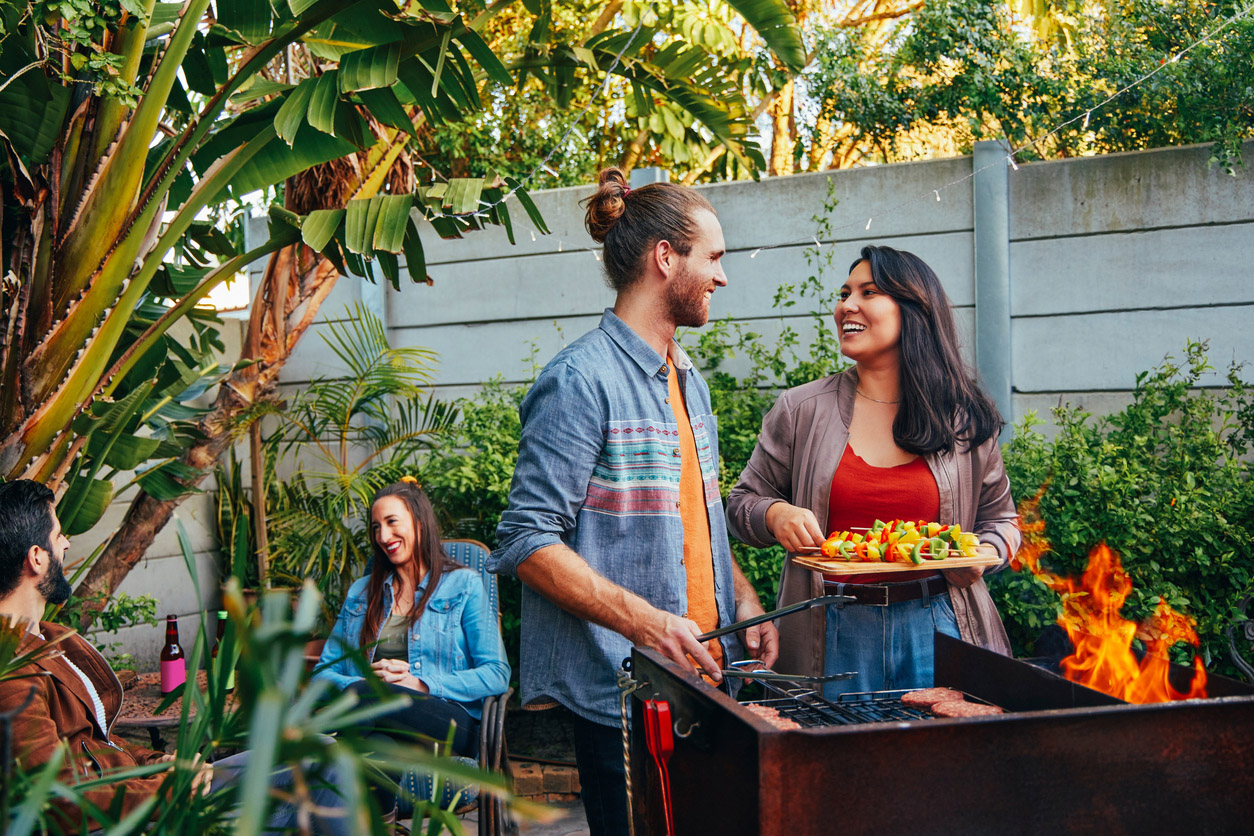
Live fire cooking is a labor of love, which makes both the process and results all the more fulfilling. And you don’t have to be a MiIchelin star chef or Asado connoisseur to experience this fulfillment.
With wood-fired hearths and pizza ovens, live fire cooking is more accessible than ever. Families can fire up quick meals, host huge parties, or experiment with their cooking skills for fun – all in the comfort of their own homes.
Noko Nashville's executive chef, Dung “Junior” Vo, says:
Cooking with fire is all about catering to the fire. To take care of the fire, you have to pay attention to the fire. You need to guide it. You need to learn about it. You have to put love into it.
Surprisingly enough, live fire cooking is highly individualized. It’s a unique practice that requires love, dedication, and experimentation – the ultimate trio for a backyard live fire cook.
But, if you’re not interested in growing your cooking skills, you can still reap the timeless benefits of the live fire experience.
Fire Pit Season
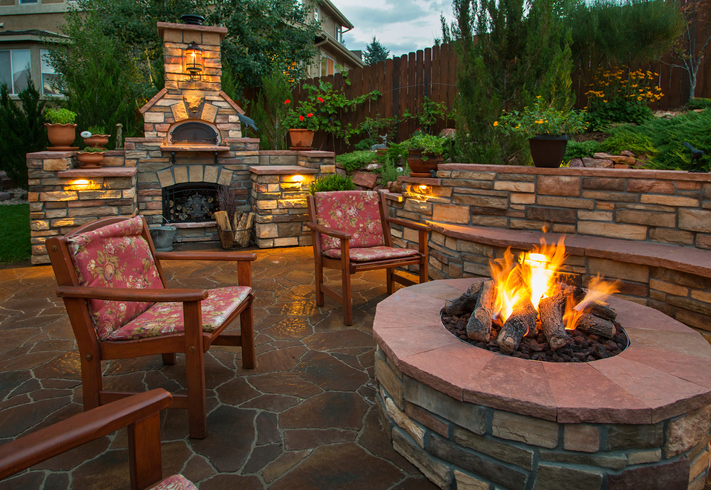
With crackling flames, aromatic smoke, and a nostalgic nod to the past, fire is an essential and irreplaceable experience of the human condition. Like nature’s poetry, it prompts families and friends to come together to share meals and stories beneath the stars. And luckily, you don’t have to be skilled cooks to soak up the joys that come with it.
Due to today’s live fire revival, brands like Relic, Solo Stove, Fontana, and Breeo work to bring the live fire cooking experience directly to your home. Whether through heavy-duty, functional fire pits, or sleek patio fire pits for modern homes, brands are constantly seeking new ways to make the live fire experience as easy and accessible as possible.
In fact, you can even scroll through Netflix and find modern twists to this ancient practice. Shows like Barbecue Showdown and Chef’s Table challenge their contestants to cook over open flames in all different kinds of unique ways, making for a fun and entertaining family night.
Chefs devoted to their craft, nation-wide tours of live fire cook-offs, and immersive entertainment for all – plus, the results are actually worth the hype. There’s only one last question: What kind of firewood should you use?
What firewood is best for live fire cooking?
Hardwoods are the best wood for live fire cooking: woods like oak, hickory, mesquite, cherry, apple, or pecan. Hardwoods are denser than softwoods, such as pine, cedar, or cypress, which means they burn longer and hotter. They also have a far more desirable flavor. While softwoods are laden with tree sap, resin, and terpenes (a naturally occurring chemical that has a very distinct scent), hardwoods produce that quintessential smoky flavor that compliments food instead of overwhelming it. To get the best results from your hardwoods, you want your wood as dry as possible. There are two ways to do this: seasoning, or kiln-drying.
Seasoning is the process of drying out wood over time. Essentially, you chop it, stack it, and leave it in a dry area where it has access to the sun. This process typically takes at least 6 months. Of course, you can buy seasoned wood from the store, but there’s no surefire way to tell how much moisture is actually in the wood.
Kiln-drying, on the other hand, is a man-made technique that dries wood much faster – around 4-7 days. A kiln is like a massive oven that sucks the moisture from the wood. You can even choose the specific moisture level you want to get the best results possible. Kiln-drying also kills off any insects in the process.
When it comes to achieving the best flavors and textures in your meal, the wood is the most essential part. “Let the flavor of the wood shine,” Vo suggests. His sous chef, Tucker Shakley, agrees. “If you want to have the highest quality at the end result, you have to begin with the highest quality [wood] you can find.”
Rediscovering Tradition in a Modern Era
Whether gathered around a Michelin star table, an outdoor Asado event, an in-home wood-fired hearth, or a simple backyard fire pit, live fire cooking provides interactive, immersive experiences that connect us to our primal roots.
This is a rich culinary experience laden with flavors and aromas. This is an environment of care, love, and attention to detail. This is space overflowing with life and human connectivity. This is live fire cooking.